
Mosquitoes in Florida start becoming active earlier than many homeowners realize. Learn why early mosquito control treatments can help reduce breeding, protect outdoor living spaces, and keep your yard more comfortable throughout the season with help from Clements Pest Control.
Chinch Bugs in Florida Lawns: Signs, Damage, and How to Stop Them
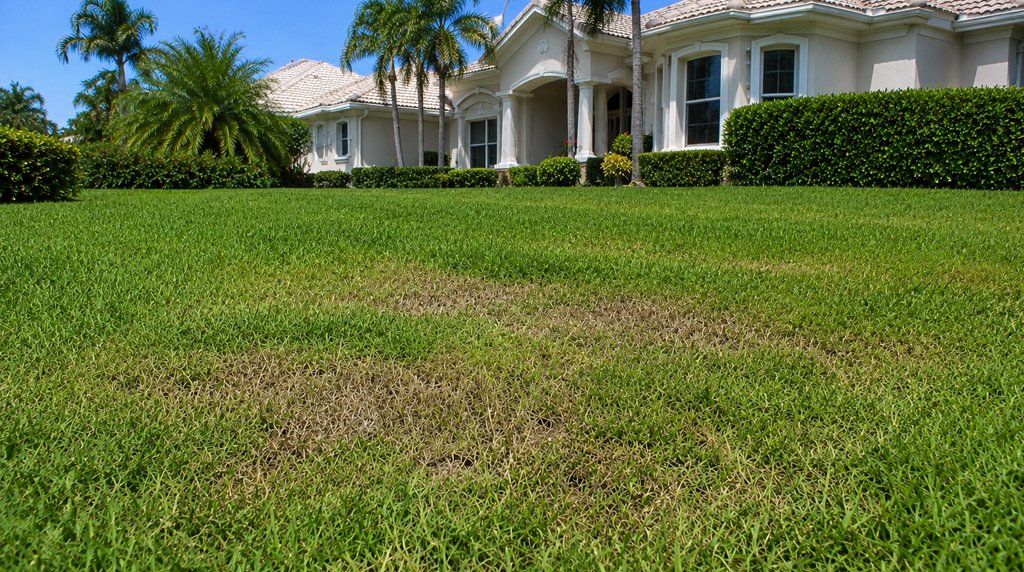
If your lawn is turning yellow or brown seemingly overnight, especially in the heat of late spring and summer, there’s a good chance you’re dealing with chinch bugs.
These tiny pests are one of the most destructive lawn insects in Florida, particularly for St. Augustine grass, which is the most common turf type across areas like Vero Beach, Port St. Lucie, Orlando, and Naples.
The problem? Most homeowners don’t realize they have chinch bugs until serious damage has already been done.
Chinch bugs are small insects that feed on grass by piercing the blades and sucking out moisture. As they feed, they also inject a toxin that prevents the grass from recovering.
Adults are about 1/8 inch long, black with white wings forming an “X”
Nymphs are smaller, red or orange with a white band
They thrive in hot, dry conditions
Signs of a Chinch Bug Infestation
The tricky part about chinch bugs is that their damage looks a lot like drought stress. But there are a few key differences.
What to look for:
Irregular yellow or brown patches in the lawn
Grass that doesn’t respond to watering
Damage starting near sidewalks, driveways, or sunny areas
Patches that spread quickly
If you’re seeing these signs, especially in St. Augustine grass, it’s time to take a closer look.
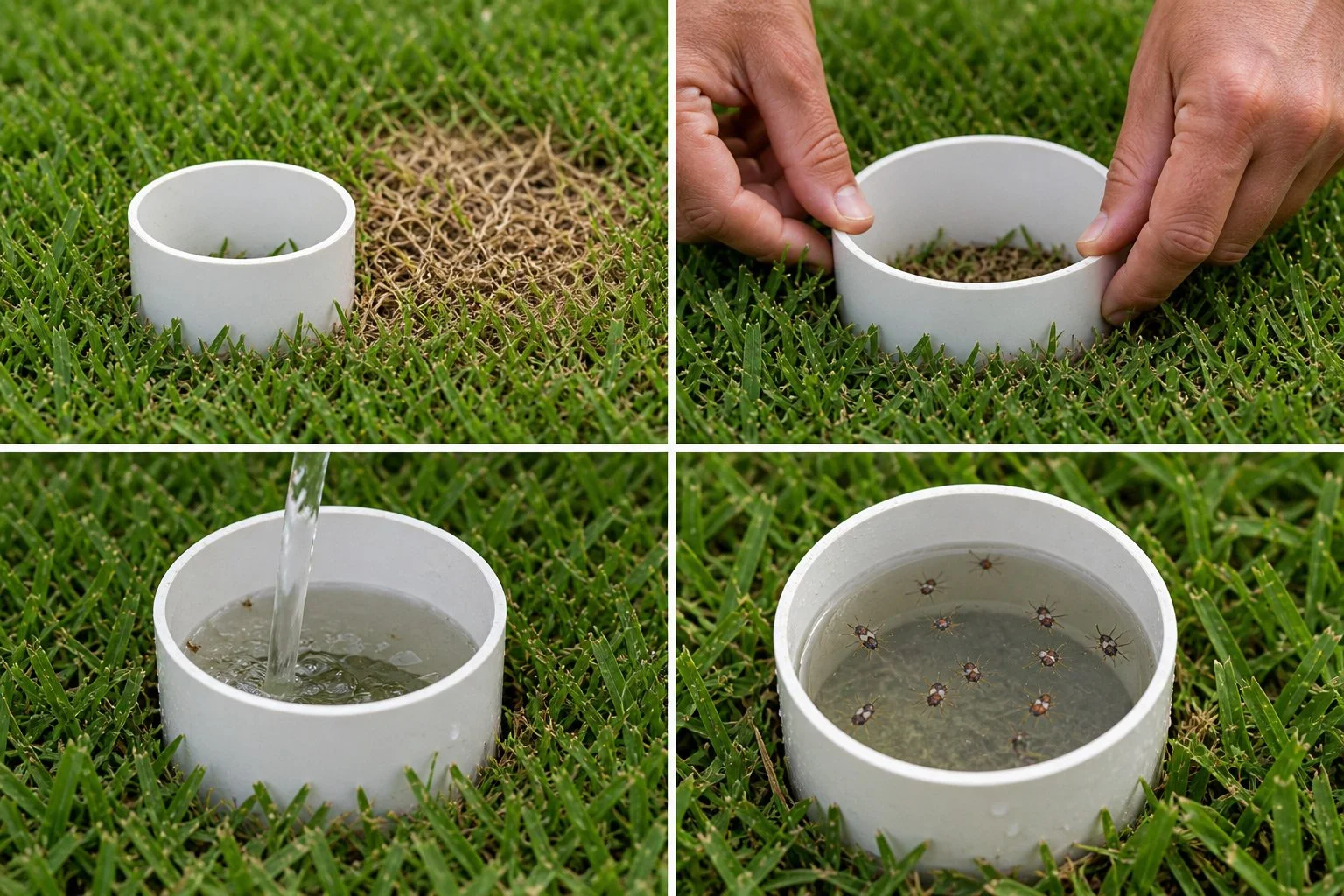
A quick field test can help confirm if chinch bugs are present:
Insert a short piece of PVC pipe (or similar cylinder) about 2 inches into the turf
Fill it with water
Wait about 60–90 seconds
If chinch bugs are present, they’ll float to the surface.
Why Chinch Bugs Are So Common in Florida
Florida’s climate creates the perfect environment for chinch bugs to thrive.
Warm temperatures nearly year-round
St. Augustine grass as the dominant turf
Periods of drought stress that weaken lawns
This is especially true across the Treasure Coast and Central Florida, where lawns can quickly go from healthy to heavily damaged in a matter of weeks.
Why DIY Treatments Often Fall Short
Store-bought treatments can sometimes kill active bugs, but they often miss the bigger issue.
Eggs and nymphs may survive
Treatments aren’t always applied at the right time
Damage may continue even after bugs are reduced
Misdiagnosis (fungus vs. insects) leads to wasted time and money
By the time most homeowners realize what’s happening, the infestation is already well established.
Professional Treatment Makes the Difference
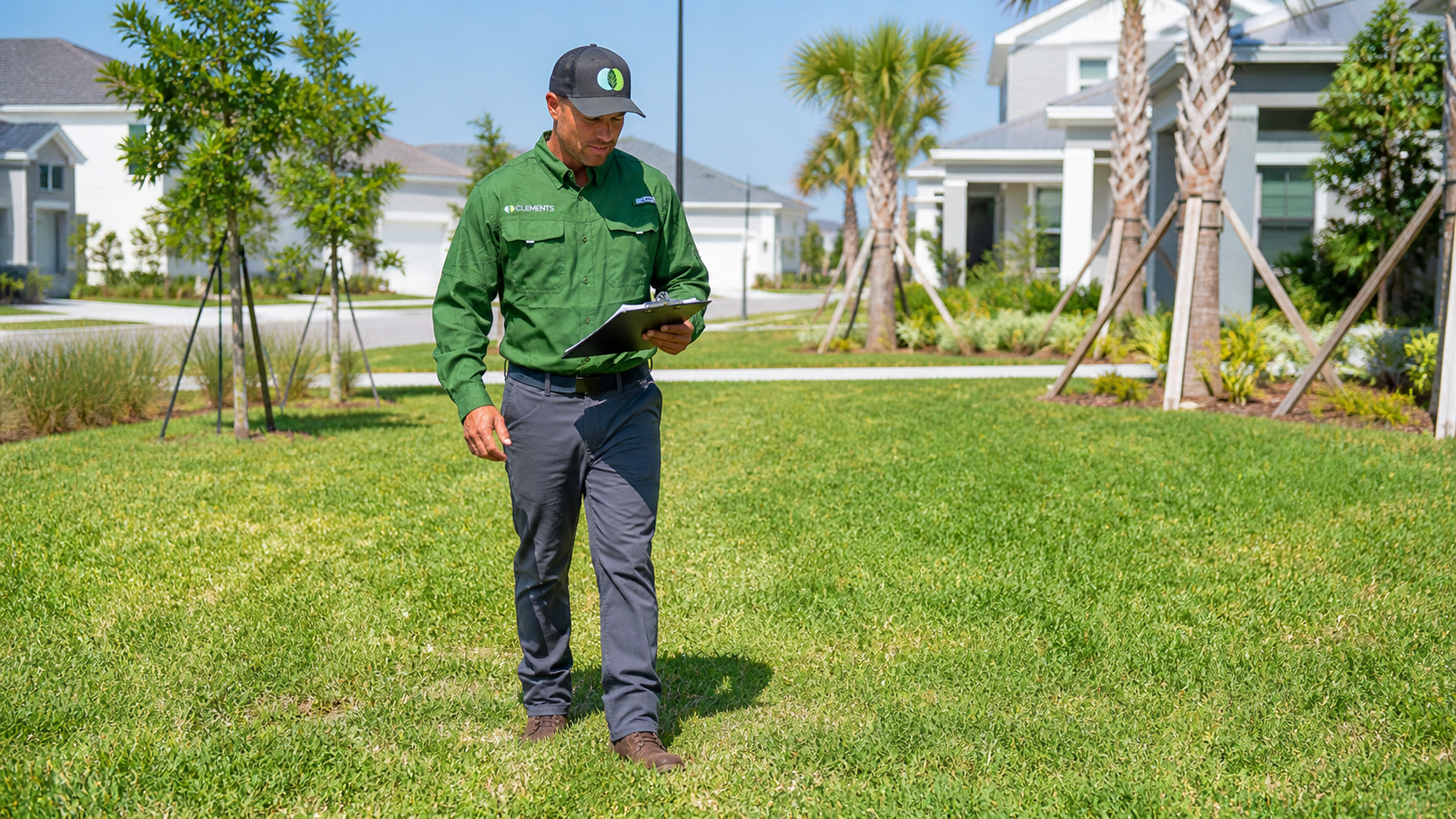
At Clements Pest Control, our lawn care program is designed to identify the problem correctly and treat it effectively the first time.
We don’t just treat the surface, we:
Confirm the presence of chinch bugs
Target all life stages
Protect surrounding healthy turf
Help prevent future outbreaks
If your lawn is showing signs of damage, it’s important to act quickly before the problem spreads.
Protect Your Lawn Before the Damage Spreads
Chinch bugs won’t go away on their own, and the longer they’re left untreated, the more expensive and difficult recovery becomes.
If you’re noticing yellowing or thinning grass, now is the time to take action.
Call us at 772-562-6450 to schedule an inspection.
Why Spring Lawn Fertilization Matters for Florida Lawns
Common Outdoor Pests That Move Indoors During Spring
Spring in Florida brings warmer temperatures, increased humidity, and rapid plant growth. While these seasonal changes are welcome for homeowners, they also create ideal conditions for many pests to thrive. As outdoor pest populations increase, many begin searching for food, water, and shelter indoors.
Homes throughout Florida often see increased indoor pest activity during spring, especially in areas with dense landscaping, sandy soil, or consistent moisture levels. Coastal regions like Vero Beach and Stuart may experience earlier pest pressure due to humidity, while inland areas such as Orlando may see spikes as temperatures steadily rise.
If you live in Florida and notice more pest activity this time of year, it is usually part of a predictable seasonal pattern that can be managed with proactive treatment.
For homeowners across Central and South Florida, spring is an important time to reinforce pest prevention measures before populations peak in summer.
Why Pests Move Indoors During Spring
Spring weather accelerates breeding cycles for many pests. Increased rainfall and humidity also create ideal environments for insects to nest outdoors near structures.
Common reasons pests move indoors include:
Searching for consistent food sources
Seeking water during dry periods between rain
Looking for stable shelter during temperature swings
Nesting near wall voids or attic spaces
Following food odors from kitchens and pantries
Homes near lakes, wooded areas, or dense landscaping often experience higher pest pressure during seasonal transitions.
Ants
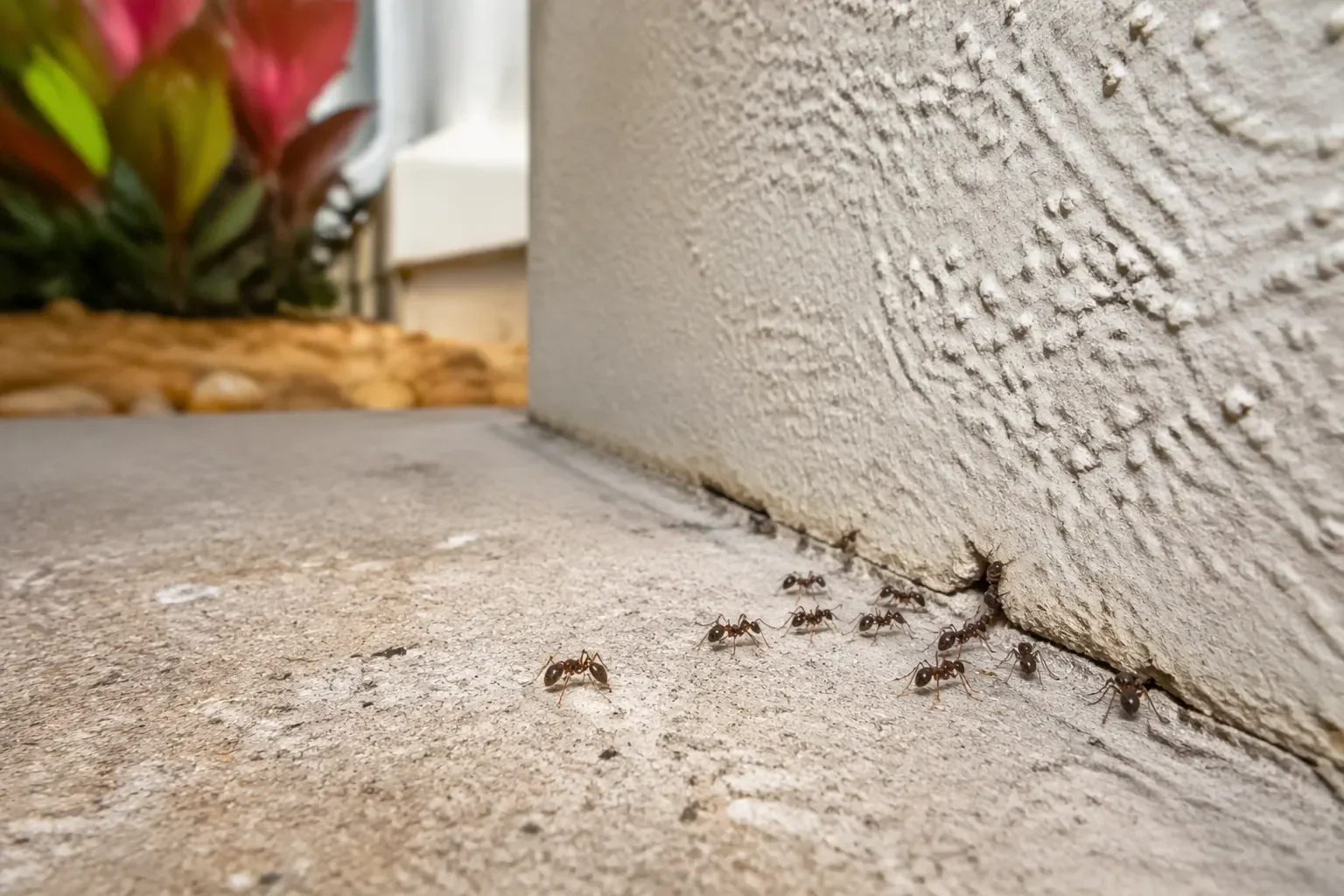
Ants are one of the most common pests homeowners encounter during spring. Colonies expand quickly as temperatures warm, and worker ants begin searching for food sources inside homes.
Even very small openings around doors, windows, and foundations can allow ants to establish indoor trails.
Common ant species active during spring include:
Ghost ants
Argentine ants
Carpenter ants
Fire ants nesting near foundations
Coastal soil conditions in areas like Stuart and Vero Beach often allow colonies to spread rapidly around structures.
Once ants establish a trail indoors, colonies can continue sending workers unless the source is treated.
Cockroaches
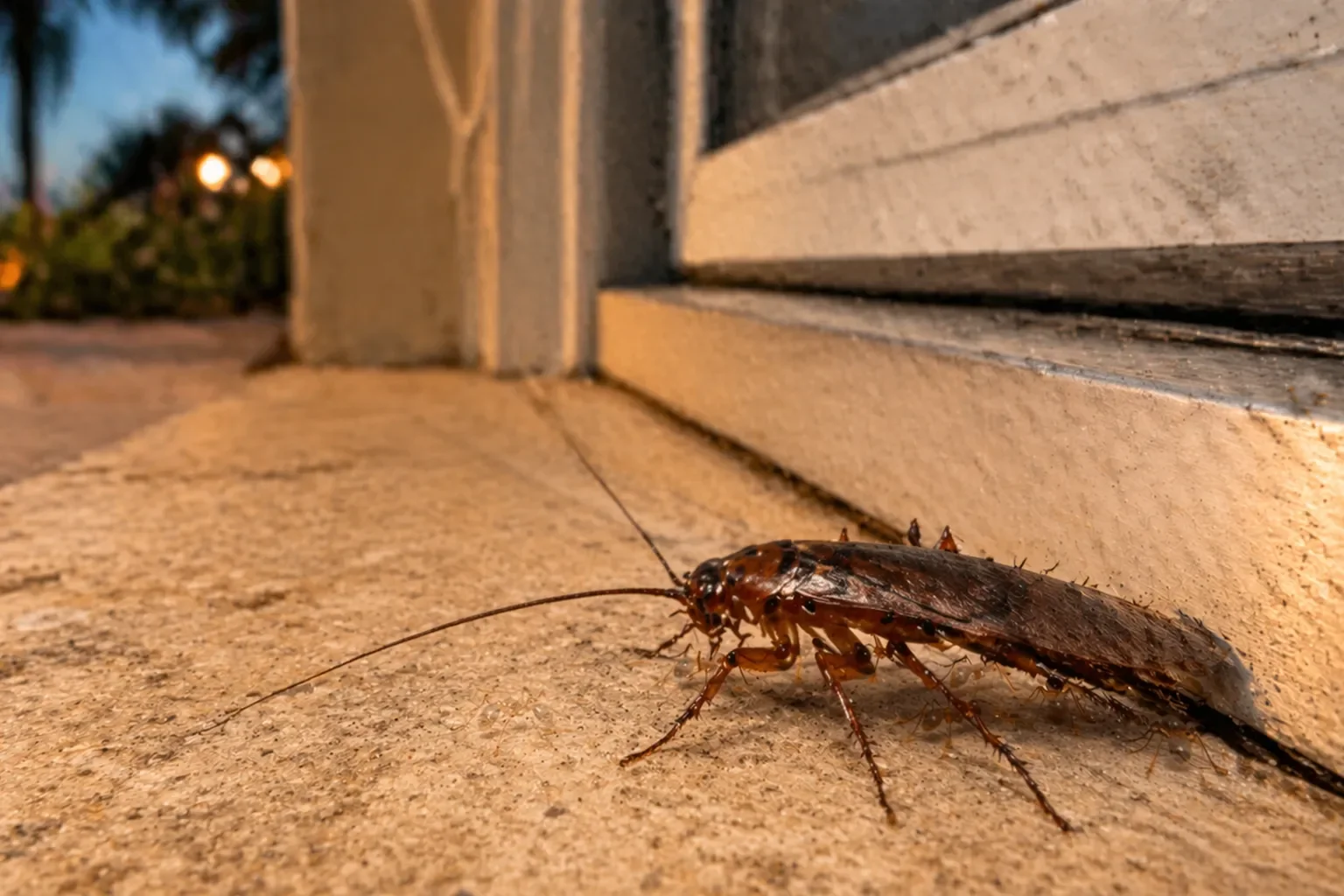
Cockroaches thrive in warm, humid environments, making Florida homes especially vulnerable during spring months. Rainfall and irrigation can drive cockroaches out of outdoor nesting areas and closer to structures.
Cockroaches commonly enter homes through:
Gaps around plumbing penetrations
Door thresholds
Garage seals
Attic vents
Drain openings
Common species seen during spring include American cockroaches, often called palmetto bugs, and German cockroaches, which typically establish indoor infestations.
Homes in humid coastal environments like Naples and Stuart often see increased cockroach pressure due to moisture levels.
Spiders
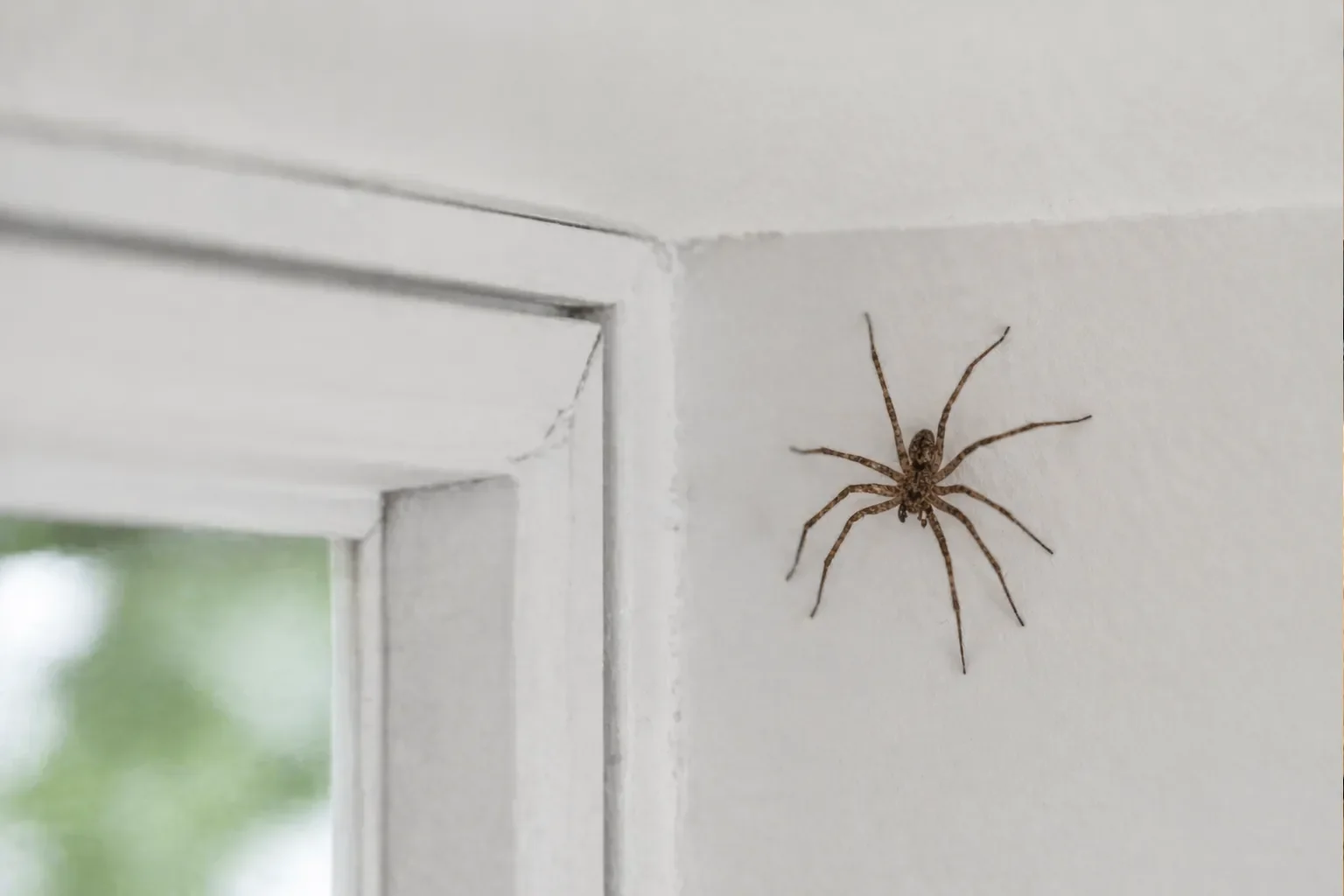
Spiders typically move indoors while following their food source. Increased spider activity often indicates other insects are present nearby.
While most spiders found in Florida homes are harmless, their presence can signal an underlying pest issue that may worsen as temperatures increase.
Properties with heavy vegetation, shaded landscaping, or outdoor lighting often attract more insects, which in turn attract spiders.
Orlando homes with wooded surroundings may see increased spider activity in spring due to rising insect populations.
Rodents
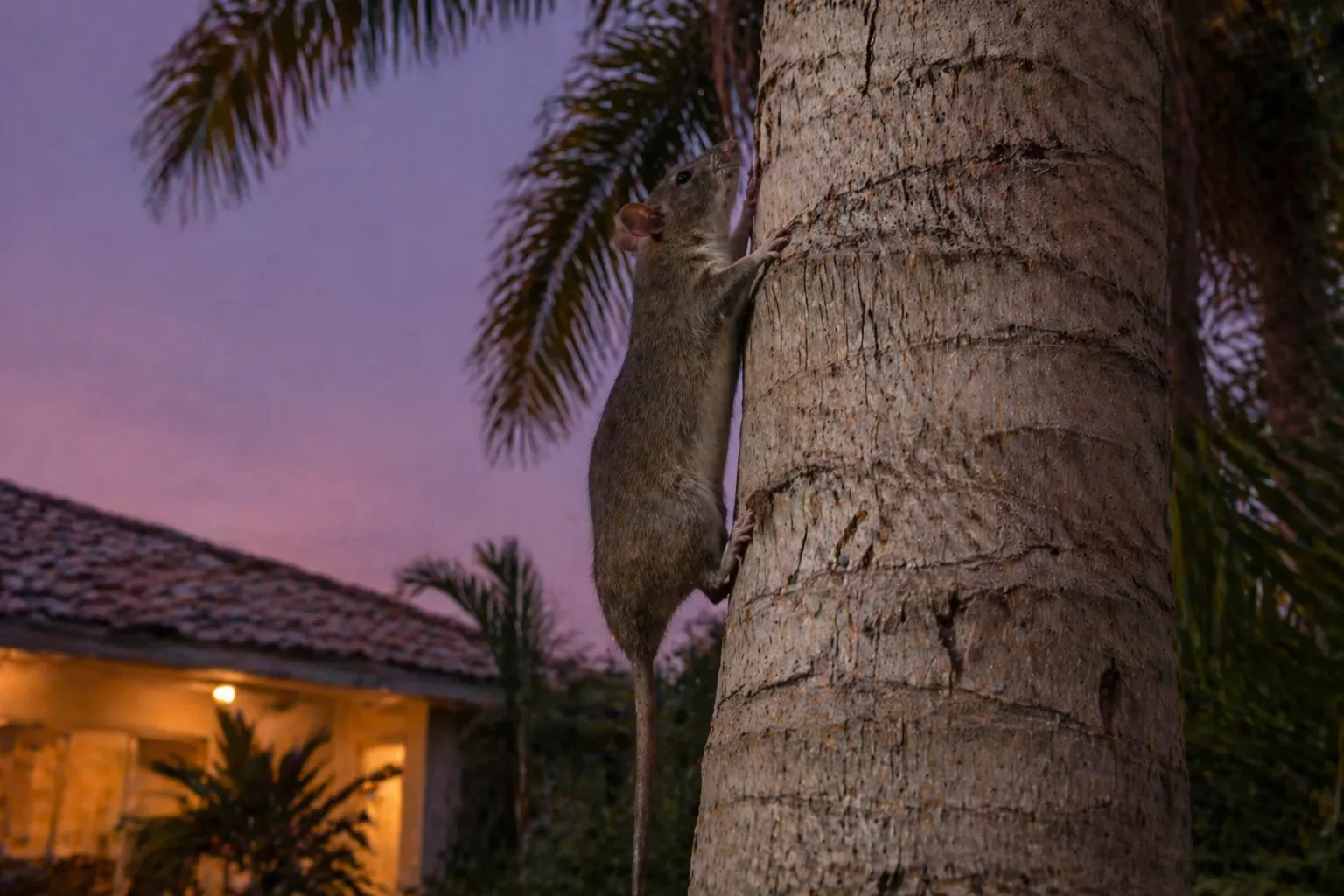
Rodents begin actively nesting during spring as food sources become more available. Roof rats and mice commonly enter homes through small openings in roofs, soffits, or garage areas.
Palm trees, dense shrubs, and attic voids provide ideal nesting areas for rodents in many Florida neighborhoods.
Signs of rodent activity include:
Scratching sounds in walls or ceilings
Droppings in attics or garages
Chewed wires or insulation
Noises during nighttime hours
Coastal communities such as Vero Beach often experience roof rat activity due to nearby vegetation and consistent temperatures.
Termites (Spring Swarm Season)
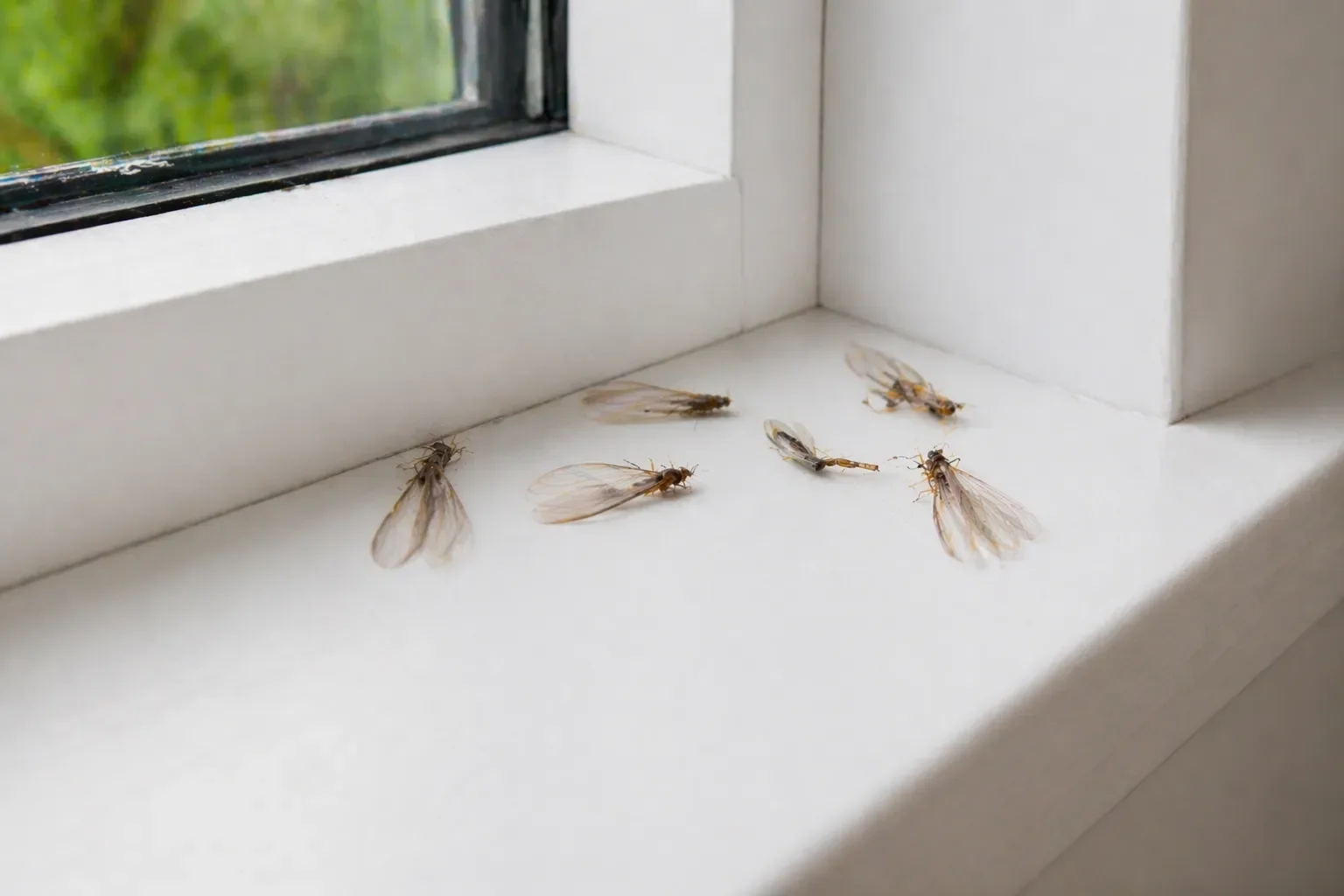
Spring marks the beginning of termite swarm season in many parts of Florida. Swarming termites are often mistaken for flying ants and are commonly seen near windows or light sources.
Swarmers typically indicate a nearby colony, which may already be established in soil near the home.
Termites are especially active in areas with consistent moisture levels, including coastal regions and neighborhoods with irrigation systems.
Signs of termite activity include:
Discarded wings near windows or doors
Mud tubes on exterior walls
Soft or hollow-sounding wood
Small piles of wings indoors
Because termite colonies often go unnoticed until damage begins, preventative monitoring can help reduce risk.
How to Prevent Spring Pest Intrusions
Preventative maintenance can significantly reduce the likelihood of pests moving indoors.
Helpful prevention steps include:
Sealing cracks around windows and doors
Keeping vegetation trimmed away from exterior walls
Eliminating standing water near the home
Storing food in sealed containers
Scheduling routine exterior pest treatments
Inspecting attics and crawl spaces seasonally
Barrier-focused exterior treatments help stop pests before they enter the home.
Protect Your Home This Spring
Seasonal pest activity is common throughout Florida, but infestations are often preventable with early treatment and ongoing monitoring.
Homes located in coastal areas like Naples, as well as inland cities like Orlando, benefit from customized pest control programs designed for Florida conditions.
Proactive pest protection helps reduce the likelihood of infestations during peak summer months when pest populations are highest.
If you are noticing increased pest activity this spring, early prevention can help maintain a comfortable and pest-free home throughout the year.
Why Ant Infestations Spike in Spring in Florida
Huntsman Spiders in Florida: Identification Guide and Proven Ways to Keep Them Out
When Mosquito Season Really Starts in Florida (And What to Do Early)
How Spring Lawn Care Helps Prevent Pest Problems Before Summer
Spring is the most important time of year to get ahead of pest problems. Before mosquitoes, ticks, grubs, and other insects have a chance to establish themselves, a few simple lawn care steps can make all the difference. From dethatching and proper mowing to eliminating standing water, discover how a well-maintained yard is your first line of defense against a pest-filled summer.
Why pest activity increases as Florida warms up
As Florida temperatures climb, so does pest activity. Mosquitoes, ants, and cockroaches thrive in the heat and humidity our springs bring, and by the time you notice them inside, they are already well established. Here is why warm weather triggers a pest surge and what homeowners can do to get ahead of it.
What Termite Swarmers Mean (And Why You Shouldn't Ignore Them)
That cloud of winged insects near your roofline isn't something to sweep away and forget. Termite swarmers are one of the clearest warning signs that a colony is nearby — or already inside your home. Learn how to identify them, what their presence really signals, and why acting quickly could save you thousands in repairs.
German Cockroaches in Florida: What Every Homeowner Needs to Know
German cockroaches are one of the most common, and most difficult, pests facing Florida homeowners. Thriving in warm, humid climates like Vero Beach and the Treasure Coast, these fast-reproducing insects invade kitchens and bathrooms in search of food, moisture, and shelter. In this guide, Clements Pest Control explains how to identify German cockroaches, the health risks they pose, warning signs of an infestation, and the most effective prevention and treatment strategies to protect your home year-round.
Why Early Rodent Control Matters Before Spring
Common Entry Points Ants Use to Get Inside Your Florida Home
Ants are a year-round problem for Florida homeowners, thanks to the state’s warm, humid climate. From tiny foundation cracks to gaps around doors and windows, ants can squeeze through surprisingly small openings to get inside your home. In this guide, Clements Pest Control explains the most common entry points ants use—and what you can do to stop them before a small problem turns into a full-blown infestation.
Signs You May Have Rodents in Your Attic or Walls
Why Ants Are Still Active Inside Florida Homes in Winter
What Attracts German Cockroaches to Florida Homes (And How to Prevent Them)
German cockroaches don’t need much to feel at home—just a little warmth, moisture, and food left behind in your kitchen. In Florida, these conditions are common, which is why even clean homes can suddenly see roaches on countertops or near sinks. The good news? Once you understand what attracts them, you can take simple, effective steps to stop an infestation before it starts. This guide breaks down why German cockroaches love Florida kitchens—and exactly how to keep them out for good.
Why German Cockroaches Are One of the Hardest Pests to Eliminate in Florida
Pantry Pests in Vero Beach, FL: What Homeowners Need to Know
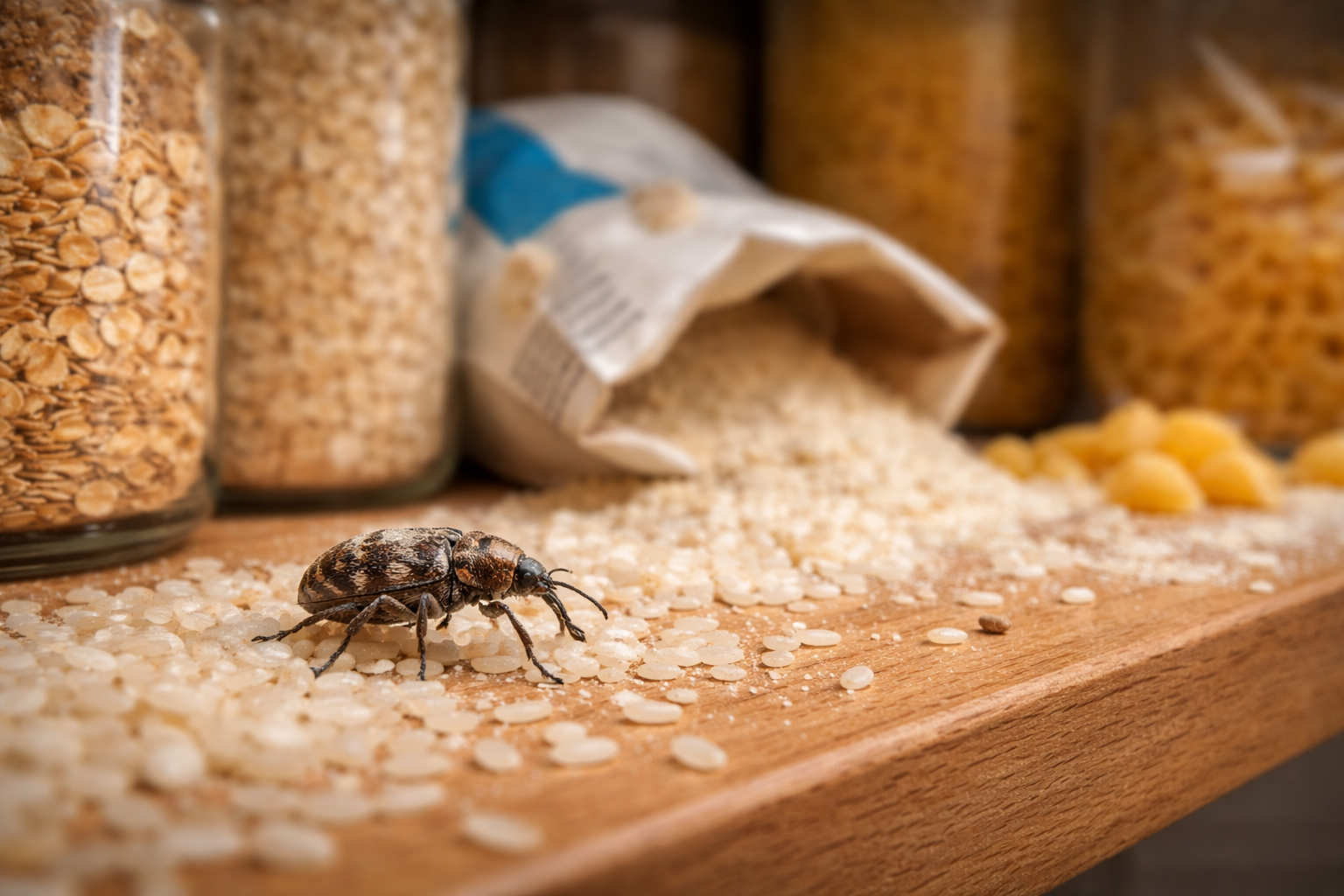
Pantry pests are a frustrating—and surprisingly common—problem for homeowners in Vero Beach, FL. Florida’s warm, humid climate creates the perfect breeding ground for these unwanted intruders. Whether it’s moths fluttering out of your cereal box or beetles burrowing in your flour, pantry pests can quickly take over your dry food storage if not addressed early.
In this blog, we’ll break down what pantry pests are, why they’re so active in Vero Beach, how to prevent them, and when to call in professional pest control.
What Are Pantry Pests?
Pantry pests are insects that infest stored food products, especially dry goods such as:
Flour
Cereal
Rice
Dried fruits
Pasta
Spices
Pet food
Common culprits include:
Indian Meal Moths: Known for the webbing they leave in food packaging.
Weevils: Tiny beetles that burrow into grains and seeds.
Flour Beetles: Often found in processed food and can survive long periods.
These pests can enter your home through contaminated groceries or make their way in through small cracks and crevices. Once inside, they reproduce quickly, making elimination more challenging.
Why Vero Beach Homes Are at Higher Risk
Vero Beach’s subtropical climate provides ideal conditions for pantry pest survival and reproduction. High humidity levels accelerate breeding cycles and make it easier for pests to infest food stored in paper or cardboard packaging.
Even the cleanest kitchen can fall victim to pantry pests if proper storage and prevention steps aren’t followed.
How to Prevent Pantry Pests
Protect your pantry with these proven tips:
Inspect food packaging before purchase. Avoid bags or boxes that appear damaged or have holes.
Transfer dry goods into airtight containers. This prevents pests from getting in—and isolates any that may already be present.
Clean pantry shelves regularly. Wipe down surfaces and vacuum crumbs or spilled food.
Practice FIFO (First In, First Out). Use older items before newer ones to prevent long-term storage.
Check for infestations frequently. Look for webbing, larvae, or adult insects in and around food containers.
What to Do If You Have a Pantry Pest Infestation
If you notice pantry pests in your food, take action immediately:
Remove and discard all infested food.
Clean your pantry thoroughly—including cracks, corners, and shelf edges.
Avoid using pesticides inside your pantry as they can contaminate food.
The most effective and safe option? Call a local professional.
If you’re dealing with persistent pantry pests, it’s time to consider professional pest control in Vero Beach. Our team is trained to identify, treat, and prevent future infestations using safe and targeted methods tailored to Florida homes.
When to Call a Vero Beach Pest Control Expert
DIY efforts can help with early-stage infestations, but pantry pests are resilient. If you’re seeing recurring issues or signs of widespread contamination, professional treatment ensures the pests—and their eggs—are fully eliminated.
At Clements Pest Control, we offer comprehensive pantry pest control solutions designed for Florida’s unique climate and pest challenges. Let us help you reclaim your pantry and protect your home.
What to Know About Subterranean Termites in Florida
Subterranean termites are one of the most destructive pests in Florida, thriving in the state's warm, humid climate. This blog covers why they pose such a serious threat to homeowners, what they are, and why Florida is especially vulnerable. Learn how to spot early signs of an infestation—like mud tubes and discarded wings—and explore effective treatment options and prevention tips to keep your home protected year-round.