
If you live in Florida, you already know: ants aren’t just a seasonal nuisance—they’re a year-round invasion force. Thanks to our warm climate and frequent rain, ants are constantly searching for food, water, and shelter. And unfortunately, your home checks all three boxes.
At Clements Pest Control, we’ve helped countless Florida homeowners identify exactly how ants are getting inside—and more importantly, how to stop them. Let’s break down the most common entry points ants use to invade your home.
1. Cracks in the Foundation
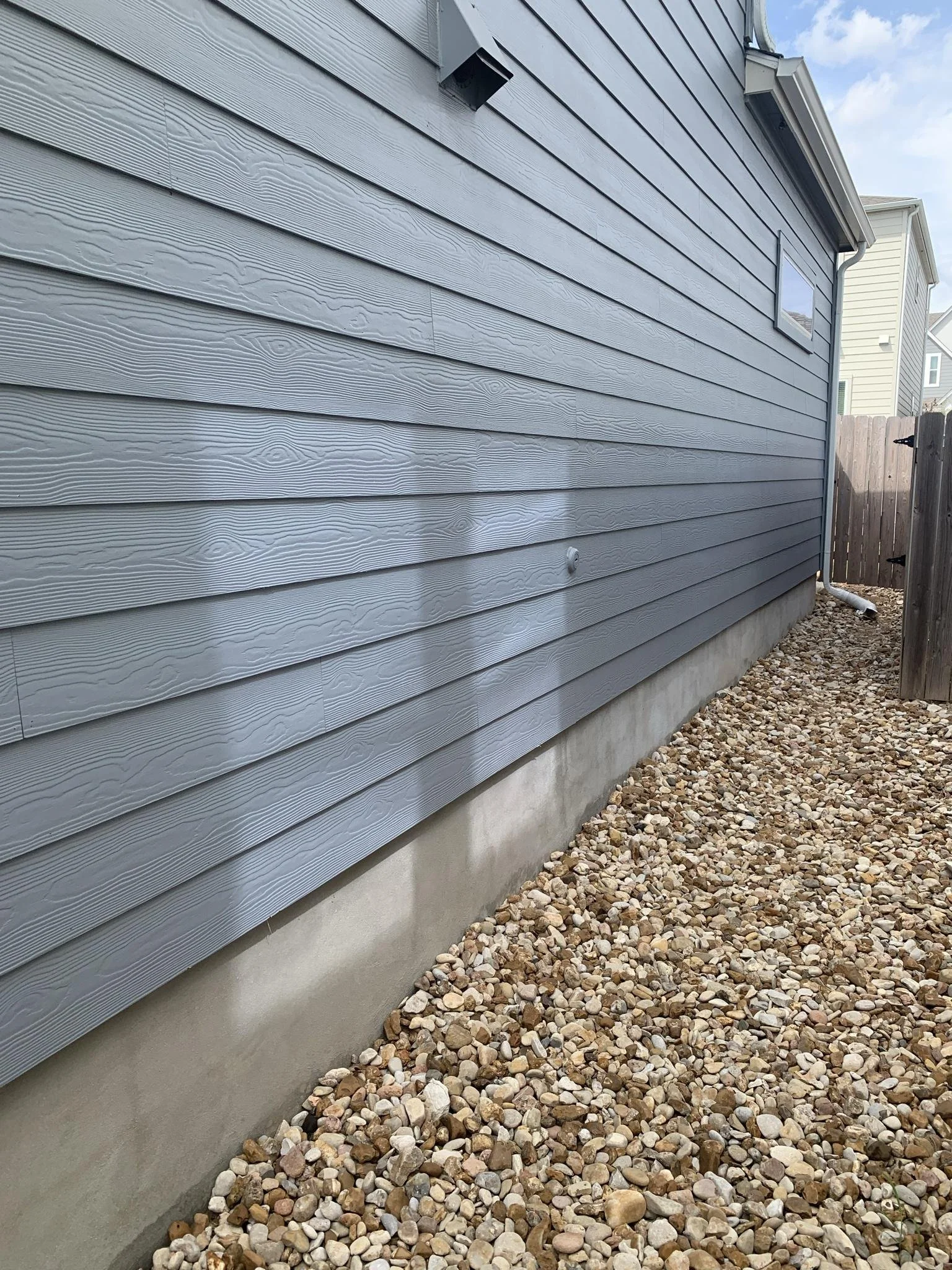
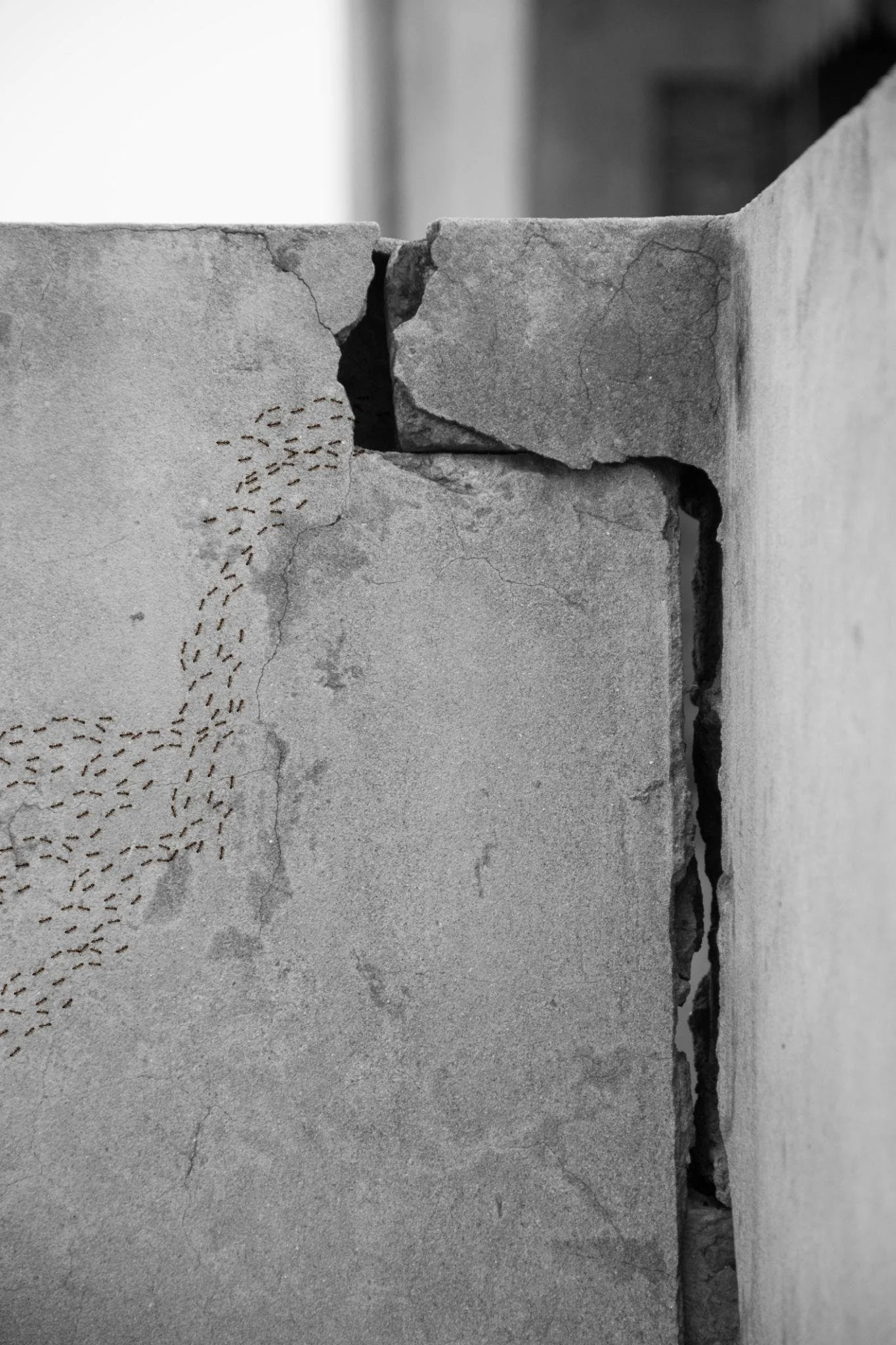
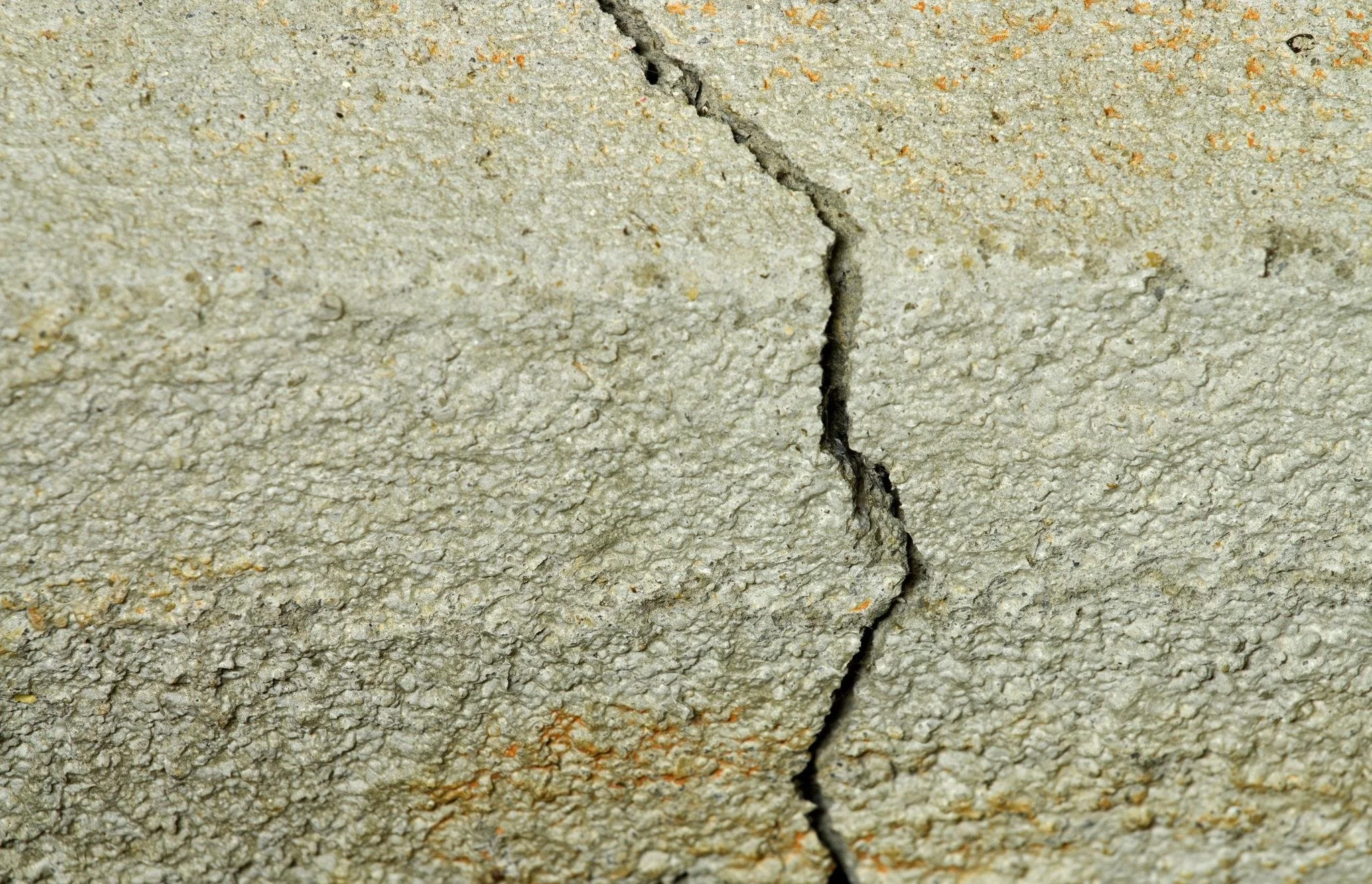
Even the smallest crack in your home’s foundation is a wide-open highway for ants. In Florida, shifting soil and moisture can cause tiny fissures in concrete slabs and stucco walls.
Ants don’t need much space—some species can squeeze through openings as thin as a credit card edge.
What to check:
Exterior walls near ground level
Expansion joints
Gaps where concrete meets siding
2. Gaps Around Windows and Doors
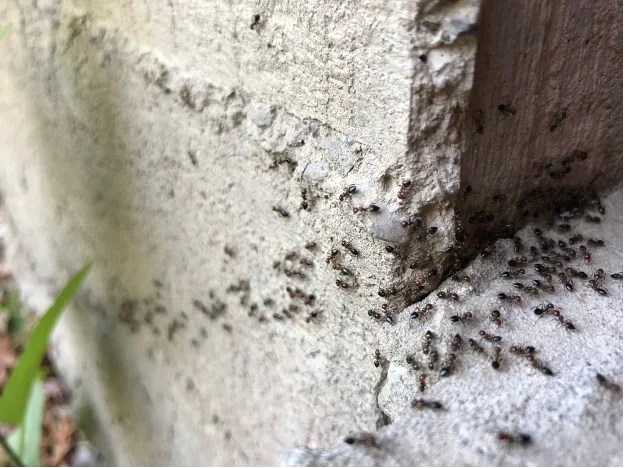
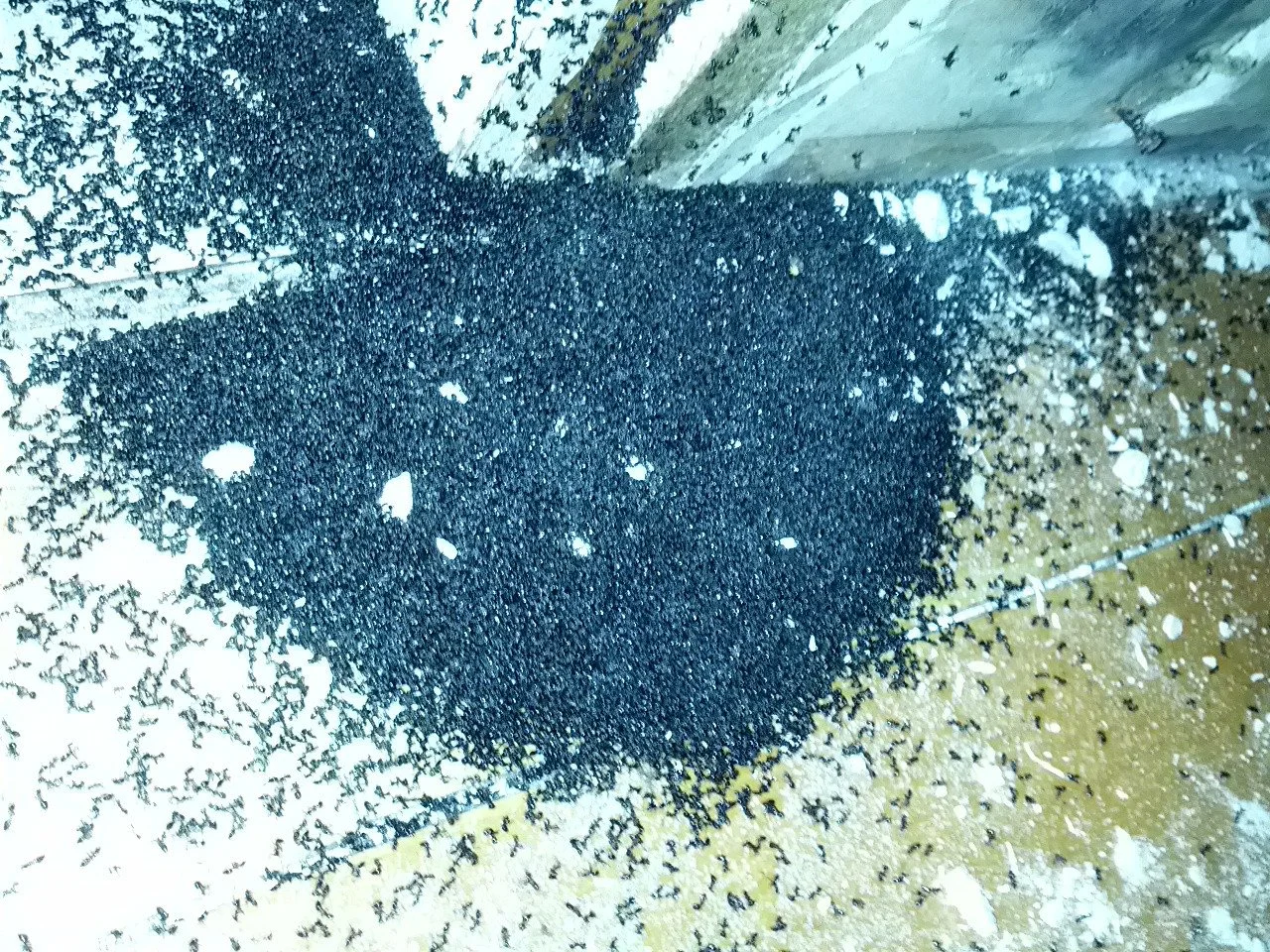
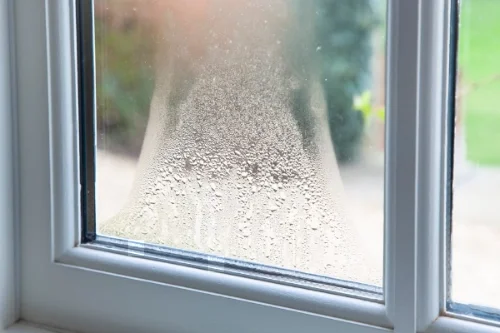

Worn weather stripping and deteriorating caulking are common in Florida due to humidity and heat. These small gaps are perfect access points for ants searching for food.
Pay special attention to:
Sliding glass doors
Garage side doors
Window frames with cracked seals
If you can see light coming through, ants can get through.
3. Utility Line Openings
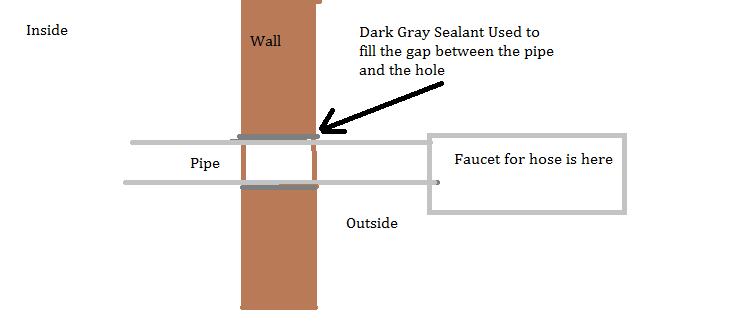
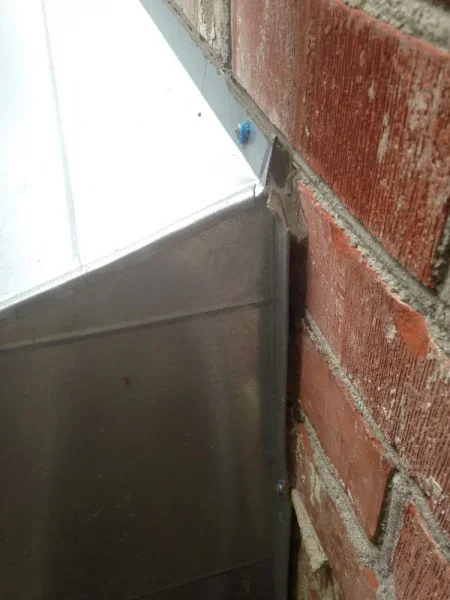
Cable lines, plumbing pipes, electrical wiring, and A/C lines all require openings in your exterior walls. If these penetrations aren’t properly sealed, ants will follow them straight inside.
Florida homes are especially vulnerable because:
Sealant breaks down faster in high humidity
Pest activity is constant year-round
4. Rooflines and Attic Vents
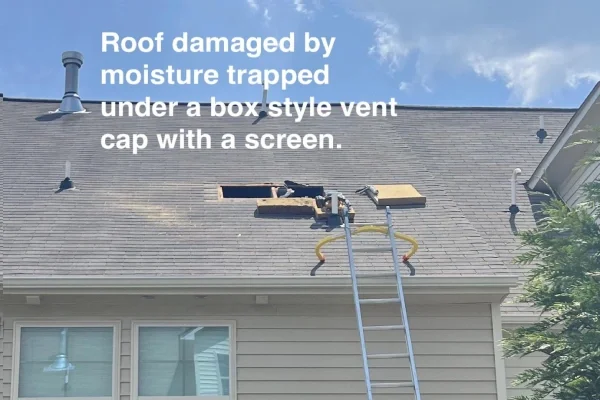
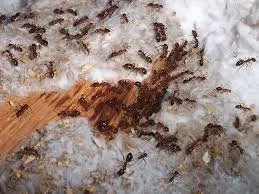
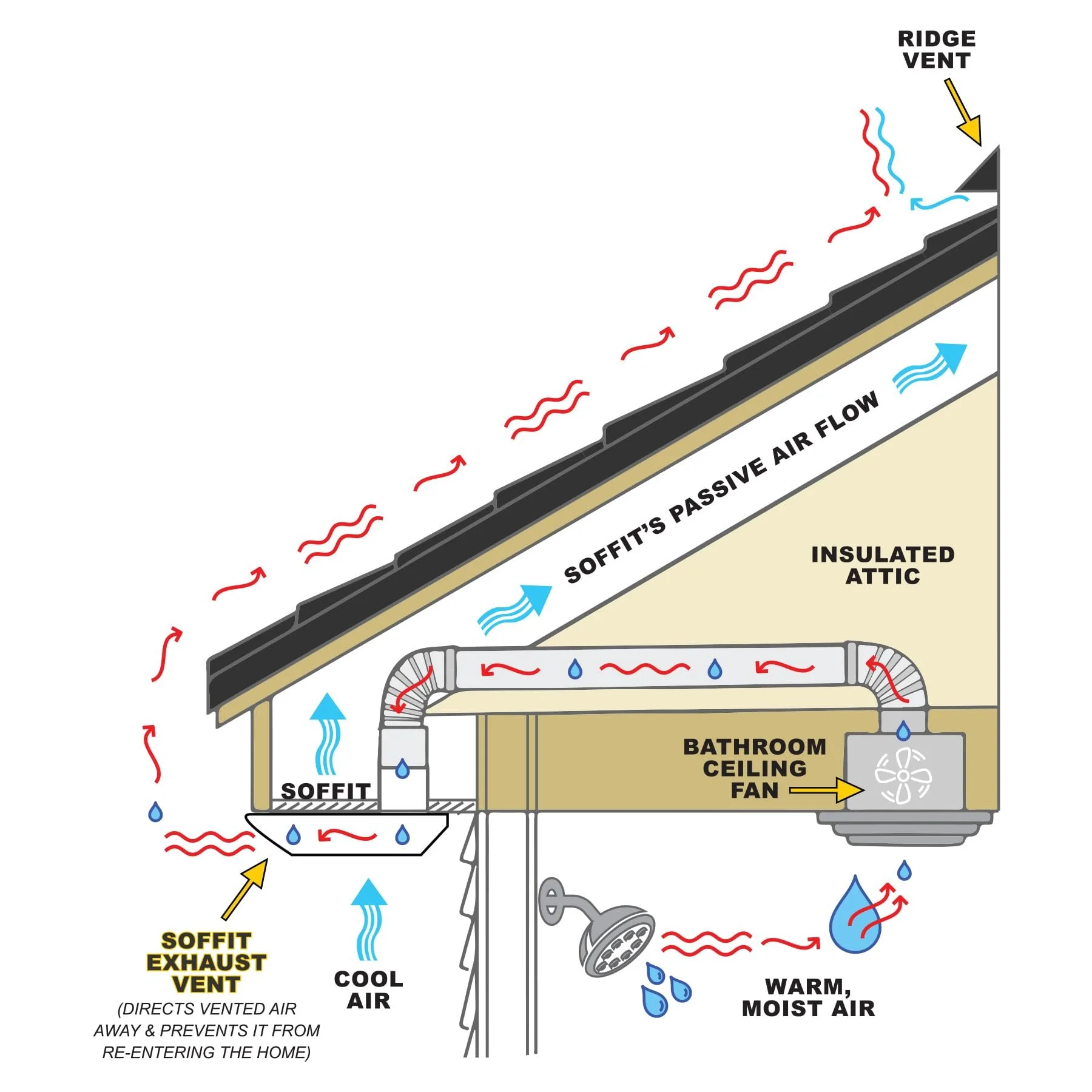
Not all ant invasions start at ground level. Tree branches touching your roof act like bridges. From there, ants can enter through soffits, attic vents, and small roofline gaps.
This is especially common with carpenter ants, which are attracted to moist wood.
5. Plumbing Areas & Moisture Zones
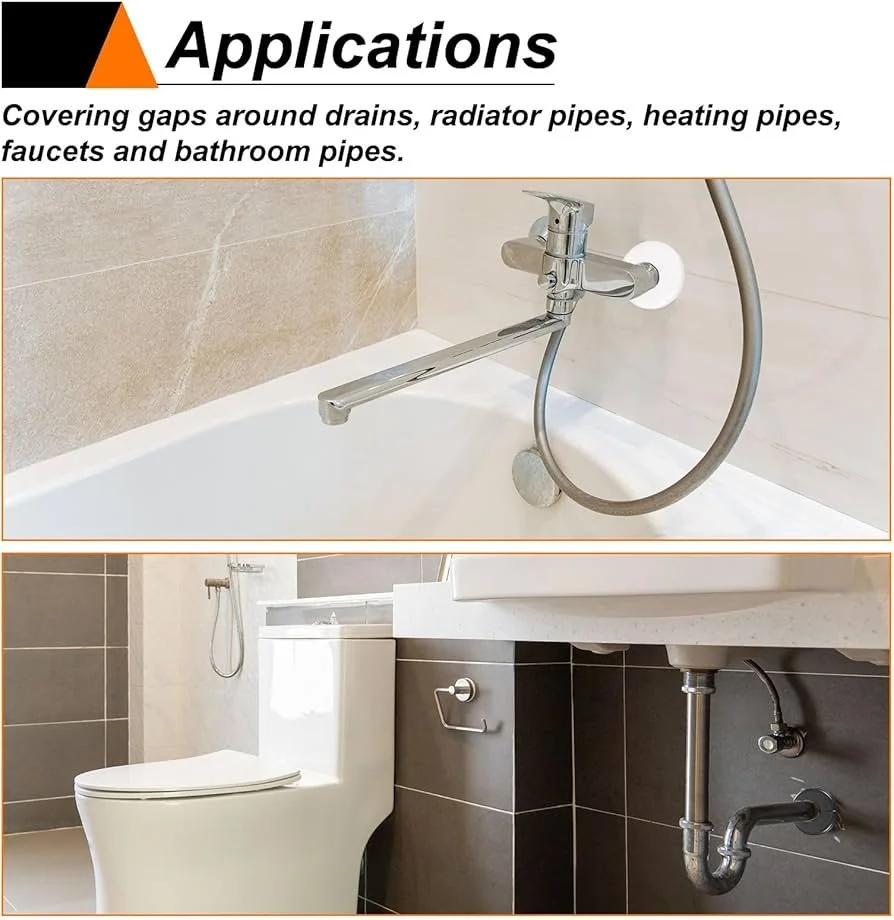
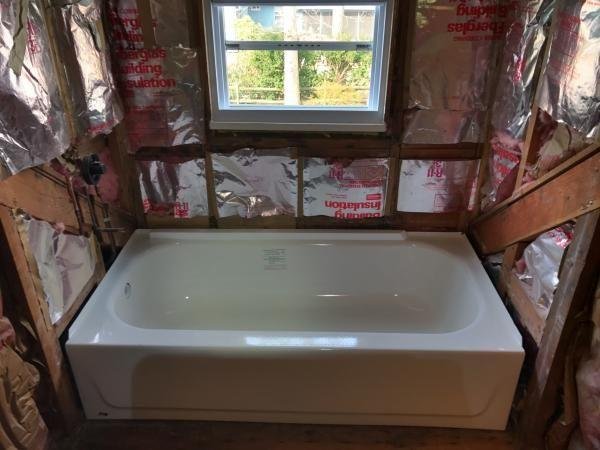
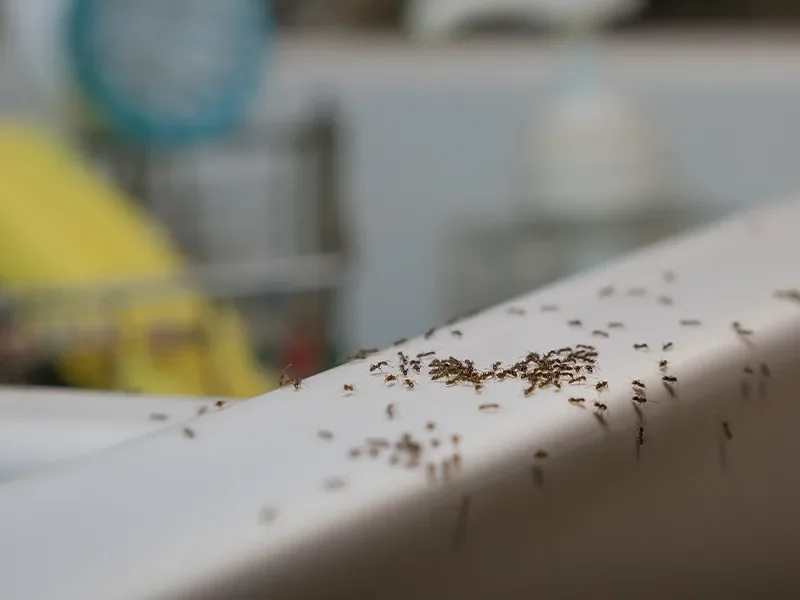
Florida’s humidity creates moisture-rich areas that ants love. Leaky pipes, condensation, and damp cabinets provide both water and entry points.
Common hotspots include:
Under kitchen sinks
Behind bathroom vanities
Laundry rooms
6. Garage & Driveway Expansion Joints
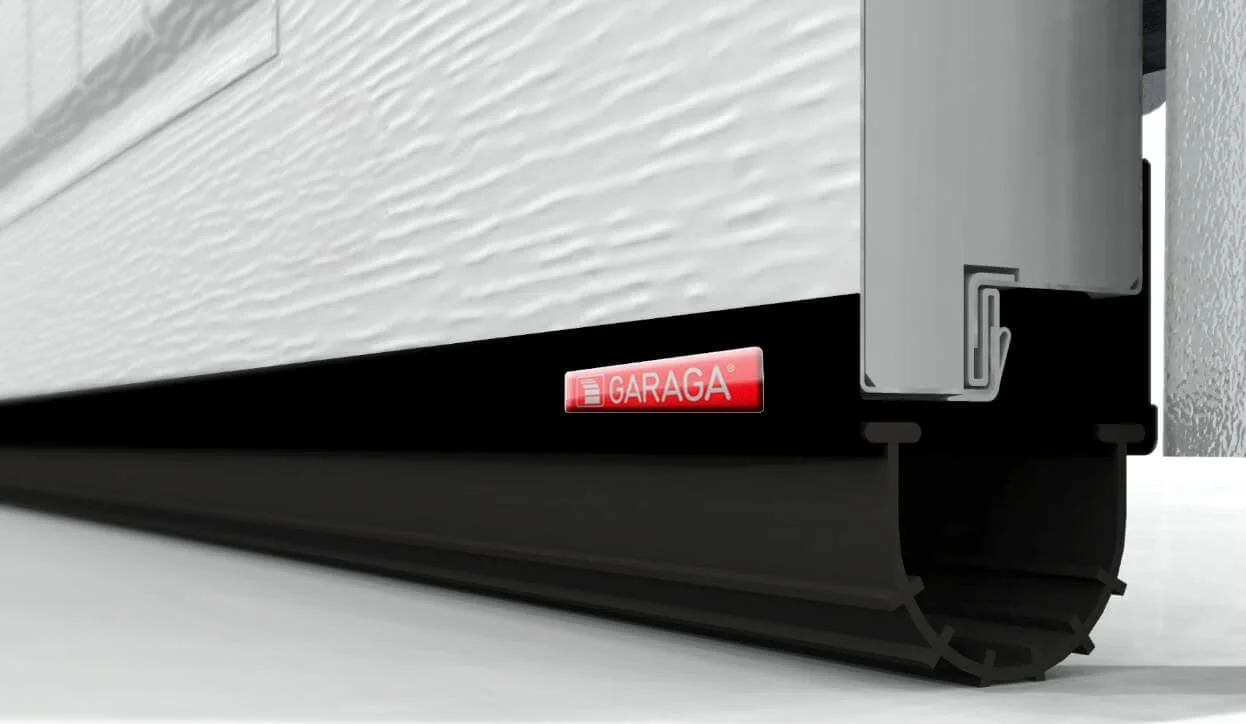
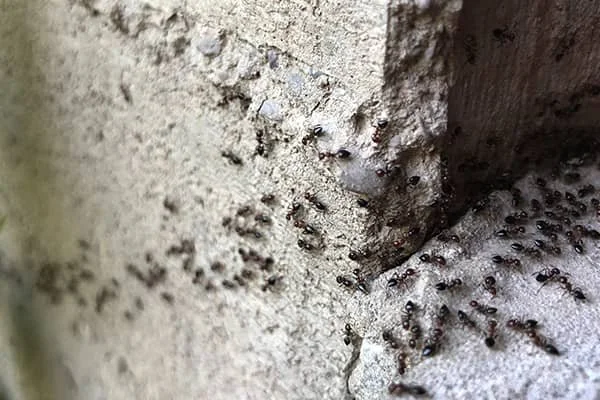
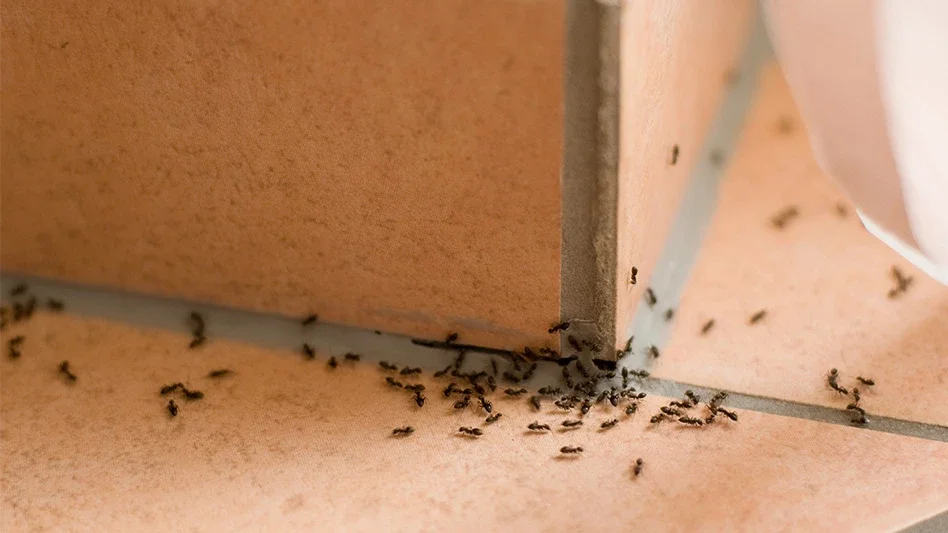
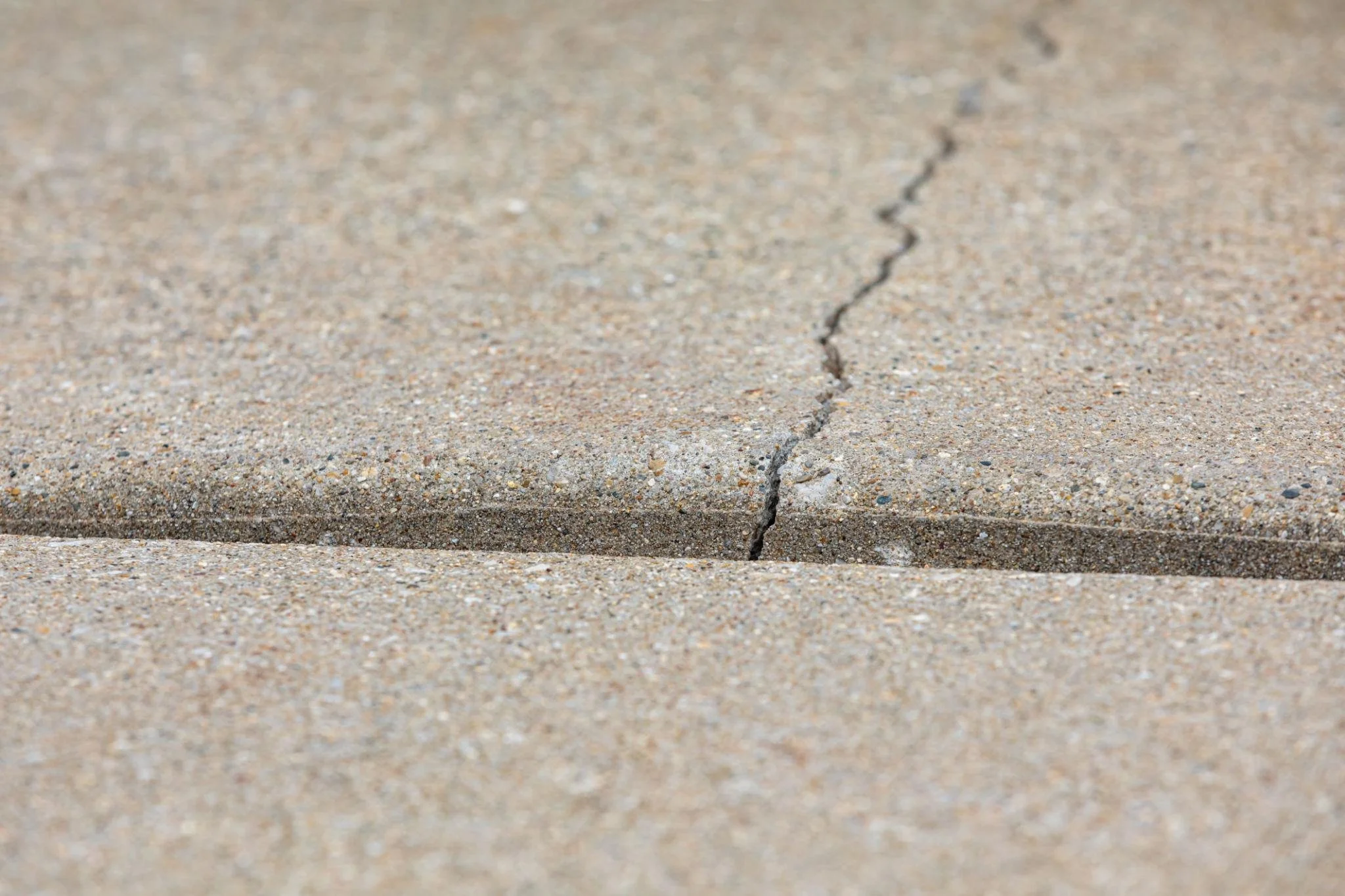
Garages are one of the most overlooked entry points. Small gaps at the bottom of garage doors or cracks in expansion joints give ants direct access.
Once inside the garage, it’s an easy path into your home.
Why DIY Solutions Often Fail
Sprays may kill the ants you see—but they don’t eliminate the colony. In Florida, many species build nests deep in soil, walls, or landscaping. If the queen isn’t eliminated, the infestation returns.
That’s why identifying and sealing entry points is just one part of the solution. Professional treatment targets the source.
How Clements Pest Control Protects Your Home
At Clements Pest Control, we:
✔ Inspect your property to locate hidden entry points
✔ Identify the specific ant species
✔ Apply targeted treatments designed for Florida conditions
✔ Provide preventative strategies to keep ants out long-term
Our approach isn’t just about getting rid of ants today—it’s about keeping them from coming back tomorrow.
Don’t Let Ants Take Over Your Home
If you’re noticing trails along baseboards, ants in the kitchen, or activity around your exterior walls, the problem likely started outside.
The sooner you address the entry points, the easier it is to control the infestation.
Contact Clements Pest Control today for a professional inspection and customized treatment plan. Let’s keep your Florida home ant-free—year-round.