
If you've noticed a trail of ants marching across your kitchen counter or winding along your baseboards as the weather warms up, you're not imagining things. Spring is one of the most active seasons for ant infestations in Florida, and there are real, biological reasons behind it. Understanding why ants come inside in spring can help you get ahead of the problem before a few stray insects turn into a full-blown infestation.
Florida's climate creates conditions that keep pest pressure relatively high year-round, but spring introduces a specific set of triggers that cause ant activity to surge. The good news is that with the right knowledge and a few practical steps, you can make your home a much less inviting target.
Why Spring Triggers Ant Activity in Florida
Unlike homeowners in the northern half of the country, Floridians don't get a true pest-free window in winter. Temperatures rarely drop low enough to eliminate ant colonies entirely. What changes in spring, though, is the intensity. Warming temps, increased rainfall, and powerful biological drives combine to push colonies into high gear starting around late February and continuing through May.
Warming Temperatures
As temperatures climb through March and April, ant colonies become significantly more active. Cooler winter months slow their metabolism and reduce foraging behavior. When consistent warmth returns, worker ants ramp up food-gathering activity to feed rapidly expanding colonies. The warmer it gets, the more workers you'll see scouting your home, both inside and out.
This temperature-driven surge in foraging is one of the main reasons spring ant infestations seem to appear out of nowhere. A colony that was quietly overwintering under your driveway or in a mulch bed can suddenly have hundreds of workers moving in coordinated trails within days of a sustained warm stretch.
Increased Moisture and Rain
Spring in Florida comes with increased rainfall, which saturates the soil and creates real problems for underground ant nests. When nests flood or become waterlogged, ants relocate, and your home offers exactly what they're looking for: dry conditions, stable temperatures, and easy access to food. This is one of the primary reasons why ants come inside in spring, and it's a pattern that repeats itself across Florida every year without fail.
Even in areas that don't flood, excess moisture in soil raises the humidity levels around a nest enough to prompt a colony to seek drier ground. Add a few afternoon thunderstorms to the mix, and you've created a strong biological push toward your foundation, your walls, and eventually your living spaces.
Colony Expansion and Reproduction
Spring is also swarming season for many ant species. Mature colonies produce winged reproductive ants, often called alates or swarmers that fly out to establish new nests. If you've ever seen a sudden burst of winged insects near a window or exterior light, there's a good chance you were witnessing this process.
New colonies tend to form in loose soil, mulch beds, wall voids, beneath slabs, and in decaying wood. All of these are common features around Florida homes. Each new colony that establishes itself near your house raises the odds that foraging workers will eventually find their way inside.
Food Availability and Foraging Range
As outdoor insects and organic material become more abundant in spring, ants increase their foraging range considerably. But your home often offers something more consistent than anything available outdoors: reliable food sources, stable shelter, and water. Crumbs left on a counter, residue near a stovetop, pet food left in a bowl, a forgotten spill beneath the refrigerator, any of these can attract scout ants that return to the colony with a chemical trail for others to follow.
Once a foraging trail is established, the flow of ants into your home can accelerate quickly. What starts as a few scouts becomes dozens, then hundreds, in a short period of time.
Common Types of Ants in Florida Homes
Not all ants are the same, and knowing which species you're dealing with affects how you approach treatment.
Fire ants are among the most recognizable Florida pests. They build mounds in lawns and open soil and deliver a painful, burning sting. They're aggressive and difficult to manage without targeted professional treatment.
Ghost ants are tiny, pale-colored insects often found trailing through kitchens and bathrooms. They're drawn to moisture and sweet substances and can be particularly stubborn because their colonies fragment and scatter easily when disturbed.
Carpenter ants are larger than most household ant species and can cause structural damage by excavating galleries through wood. They don't eat the wood, they tunnel through it to nest. Over time, this can compromise structural integrity if left unaddressed.
White-footed ants form very large colonies and are especially common in South Florida. They're notably resistant to many over-the-counter ant treatments, which makes professional intervention more effective.
Bigheaded ants are ground-nesting ants that often push fine soil up through cracks in driveways, sidewalks, and around home foundations. Their trails can extend surprisingly long distances from the nest.
Signs of a Spring Ant Infestation
Identifying an infestation early makes it considerably easier and less expensive to resolve. Here's what to watch for as the season changes.
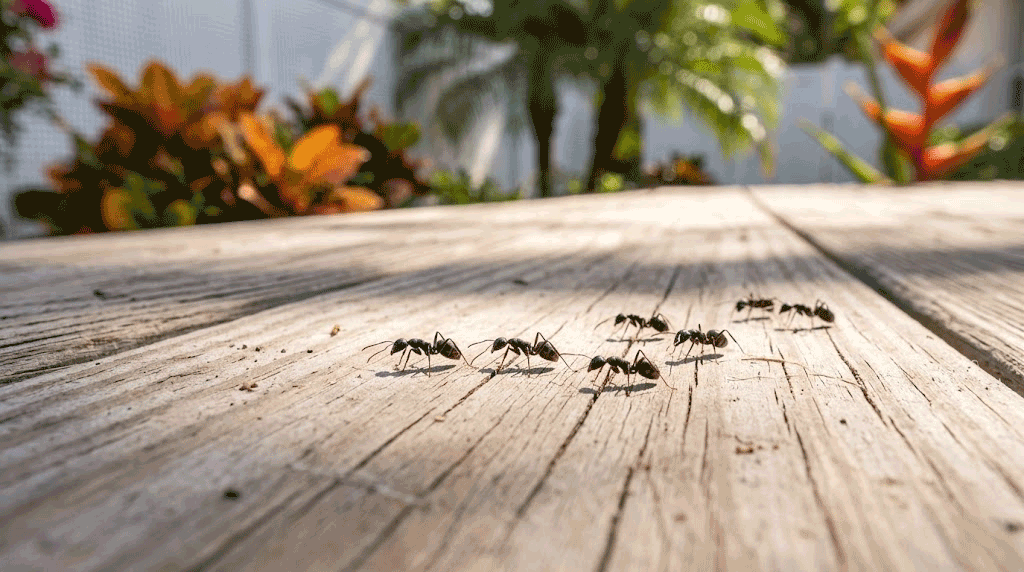
Visible trails of ants, particularly along walls, near windows, under doors, or along baseboards, are one of the clearest signs. Trails leading toward the kitchen, laundry room, or bathroom suggest ants have already located a food or moisture source inside your home.
Small piles of fine, sawdust-like material near wood structures, door frames, or windowsills can point to carpenter ant activity. These piles, sometimes called frass, are a byproduct of their tunneling.
Dirt mounds or displaced soil around your foundation, along sidewalk edges, or in lawn areas may indicate ground-nesting species becoming active. Multiple mounds appearing over a short period is a sign of significant colony growth.
Winged ants emerging indoors are a serious indicator. This typically means a mature colony is either already inside your home or nesting very close to it. Don't mistake them for termites, winged ants have a pinched waist and bent antennae, while termites have a uniform body and straight antennae.
How Spring Lawn Care Helps Prevent Ant Problems
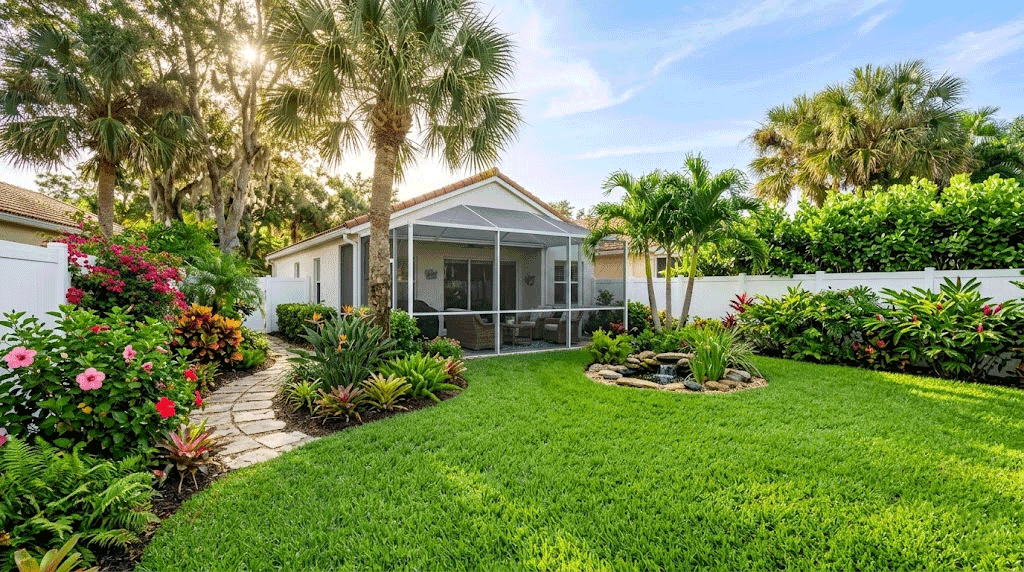
Your yard plays a bigger role in ant prevention than most homeowners realize. Overgrown grass, thick mulch beds, leaf litter, standing water, and decaying debris all create ideal nesting and harborage conditions for ant colonies right outside your door. Once a colony establishes itself close to your home, it's only a matter of time before foragers start exploring your interior.
Taking a proactive approach to spring lawn care helps prevent pest problems before they reach your home. Keeping grass trimmed, clearing leaf litter, managing mulch depth, and maintaining proper drainage around your foundation all reduce the conditions that attract ants and other pests during the spring season. Treating your yard as a first line of defense is one of the most effective long-term strategies for spring ant control in Florida.
Prevention Tips for Homeowners
There's quite a bit you can do on your own to reduce the likelihood of a spring ant infestation.
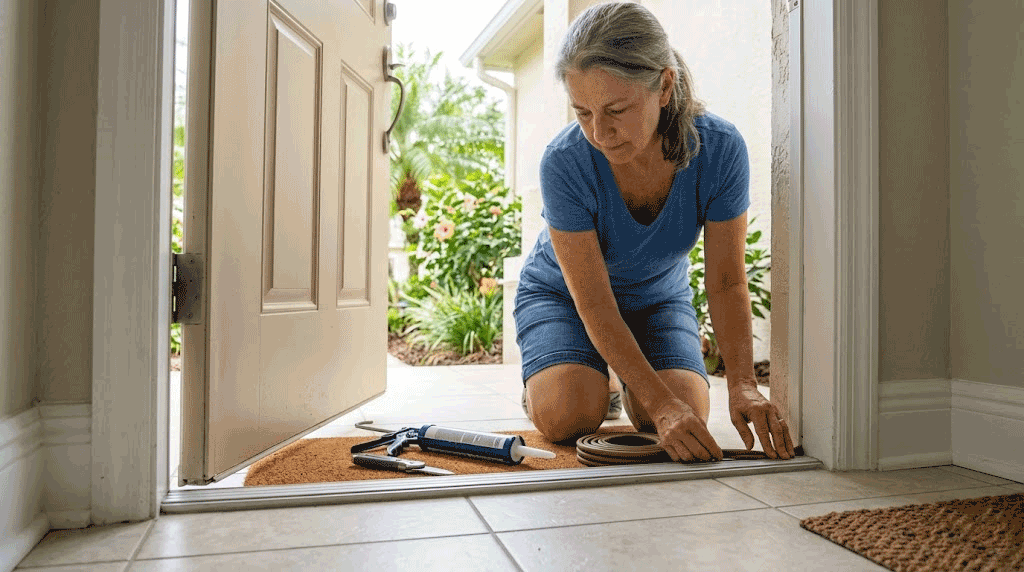
Seal entry points. Ants can squeeze through remarkably small gaps. Walk around your home and check for cracks around windows, door frames, utility penetrations, and along the foundation. Seal any openings with caulk or weatherstripping.
Eliminate food sources. Store pantry staples in airtight containers, wipe down counters after meals, sweep the kitchen regularly, and take out trash before it overflows. Even a thin grease film around a stovetop can attract ant scouts.
Address moisture problems. Leaky pipes, dripping faucets, and poor drainage beneath sinks create the moist conditions that many Florida ant species actively seek. Repair leaks promptly and ensure adequate ventilation in crawl spaces and under-sink cabinets.
Manage mulch and vegetation. Keep mulch at least 12 inches away from your home's foundation, and trim back any shrubs or tree branches that touch the exterior walls or roofline. Vegetation in direct contact with your home creates easy pathways for ants to enter.
Store firewood away from the structure. Firewood stacks are a favorite nesting spot for carpenter ants and other species. Keep wood stored away from the house and elevated off the ground.
Don't leave pet food out overnight. Pet food bowls left on the floor are a common ant attractant, especially during spring. Rinse bowls after feeding or store them in a sealed container.
When to Call a Professional
DIY treatments — sprays, bait traps, and perimeter dusts can offer temporary relief, but they rarely eliminate the source of the problem. Many over-the-counter products disperse or fragment colonies rather than destroy them, which can cause infestations to spread to new areas inside the home.
If you're seeing consistent ant activity despite your own prevention efforts, if you suspect carpenter ants are nesting in your woodwork, or if fire ant mounds keep reappearing in your yard near entry points, it's time to bring in a professional.
Florida spring ant infestations can be complex. The species involved, the size and location of the colony, and the construction of your home all factor into what treatment approach will actually work. An experienced pest control technician can properly identify the species, locate the colony, and apply targeted treatments that address the root cause rather than just the symptoms.
If you're in the Treasure Coast area, our team provides pest control in Port St. Lucie and the surrounding communities, with treatment plans designed around Florida's specific pest pressures and the seasonal patterns that drive them.
Don't Let Spring Ants Take Over Your Home
Ant infestations in Florida don't resolve on their own. If anything, they tend to grow throughout spring and into summer as colonies expand and conditions outside push more workers indoors. The same things that make Florida spring so enjoyable, warm temperatures, afternoon rain, lush outdoor growth, also make it peak season for ant activity.
Staying proactive with prevention is always the best first step. But when the problem is already established, or when you want the confidence of knowing your home has been properly protected, professional help makes a real difference.
At Clements Pest Control Services, we've been helping Florida homeowners manage ants and other pests for over 65 years. Our team understands local species behavior, seasonal patterns, and what it actually takes to get results in a Florida climate. If you're noticing increased ant activity this spring, don't wait it out. Contact Clements Pest Control today to schedule an inspection and find out how we can help protect your home before the problem grows.