
Spring in Florida brings warmer temperatures, increased humidity, and rapid plant growth. While these seasonal changes are welcome for homeowners, they also create ideal conditions for many pests to thrive. As outdoor pest populations increase, many begin searching for food, water, and shelter indoors.
Homes throughout Florida often see increased indoor pest activity during spring, especially in areas with dense landscaping, sandy soil, or consistent moisture levels. Coastal regions like Vero Beach and Stuart may experience earlier pest pressure due to humidity, while inland areas such as Orlando may see spikes as temperatures steadily rise.
If you live in Florida and notice more pest activity this time of year, it is usually part of a predictable seasonal pattern that can be managed with proactive treatment.
For homeowners across Central and South Florida, spring is an important time to reinforce pest prevention measures before populations peak in summer.
Why Pests Move Indoors During Spring
Spring weather accelerates breeding cycles for many pests. Increased rainfall and humidity also create ideal environments for insects to nest outdoors near structures.
Common reasons pests move indoors include:
Searching for consistent food sources
Seeking water during dry periods between rain
Looking for stable shelter during temperature swings
Nesting near wall voids or attic spaces
Following food odors from kitchens and pantries
Homes near lakes, wooded areas, or dense landscaping often experience higher pest pressure during seasonal transitions.
Ants
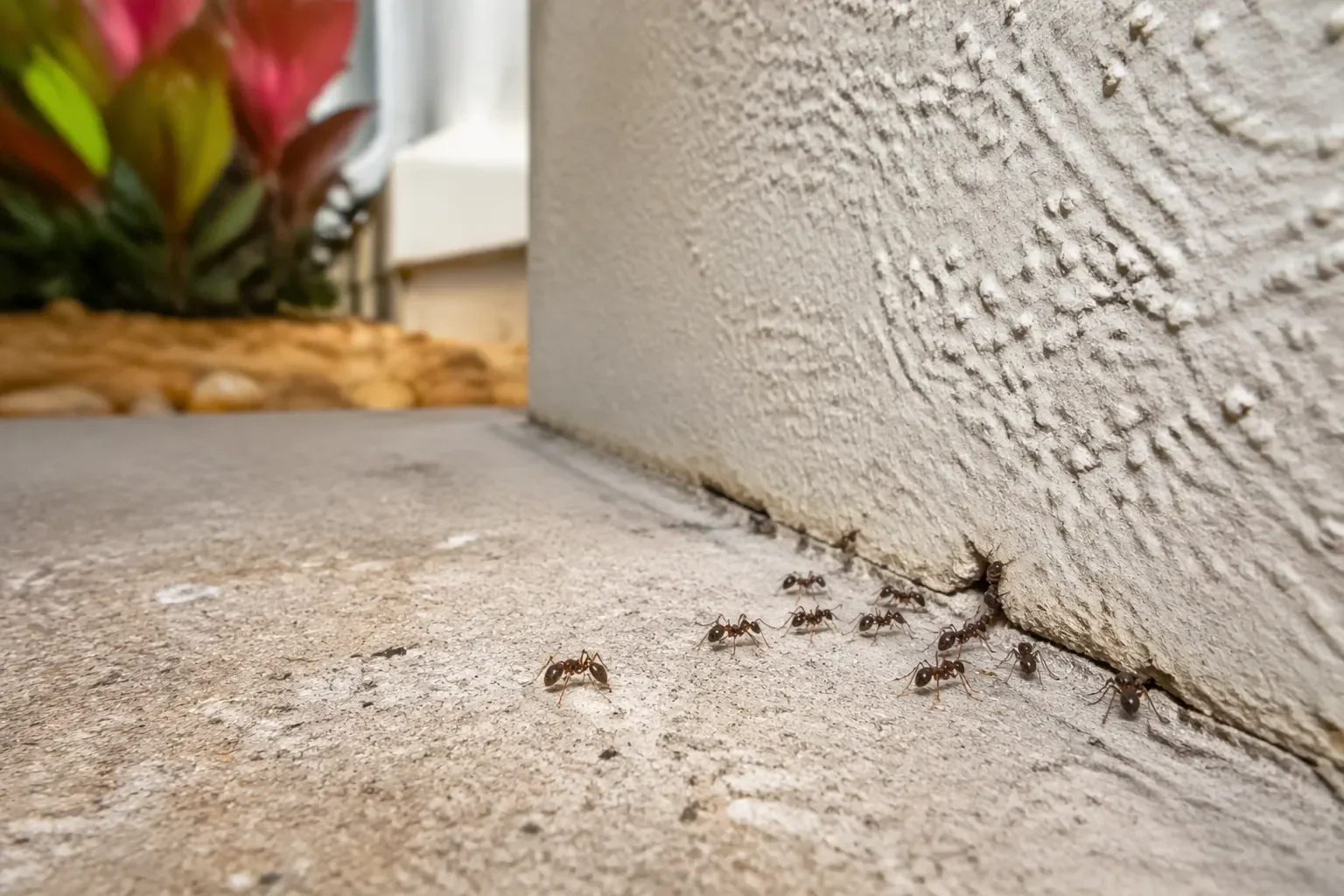
Ants are one of the most common pests homeowners encounter during spring. Colonies expand quickly as temperatures warm, and worker ants begin searching for food sources inside homes.
Even very small openings around doors, windows, and foundations can allow ants to establish indoor trails.
Common ant species active during spring include:
Ghost ants
Argentine ants
Carpenter ants
Fire ants nesting near foundations
Coastal soil conditions in areas like Stuart and Vero Beach often allow colonies to spread rapidly around structures.
Once ants establish a trail indoors, colonies can continue sending workers unless the source is treated.
Cockroaches
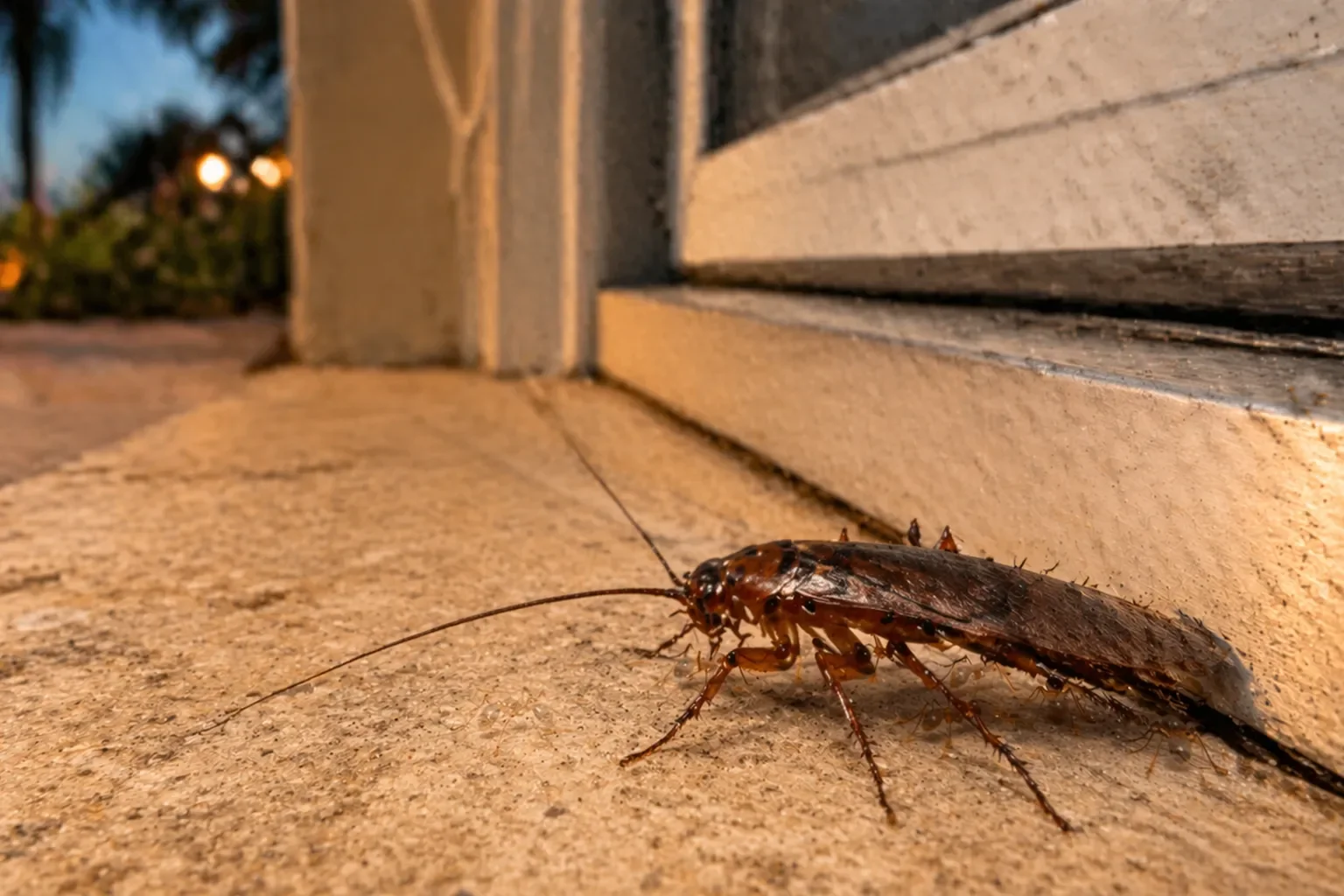
Cockroaches thrive in warm, humid environments, making Florida homes especially vulnerable during spring months. Rainfall and irrigation can drive cockroaches out of outdoor nesting areas and closer to structures.
Cockroaches commonly enter homes through:
Gaps around plumbing penetrations
Door thresholds
Garage seals
Attic vents
Drain openings
Common species seen during spring include American cockroaches, often called palmetto bugs, and German cockroaches, which typically establish indoor infestations.
Homes in humid coastal environments like Naples and Stuart often see increased cockroach pressure due to moisture levels.
Spiders
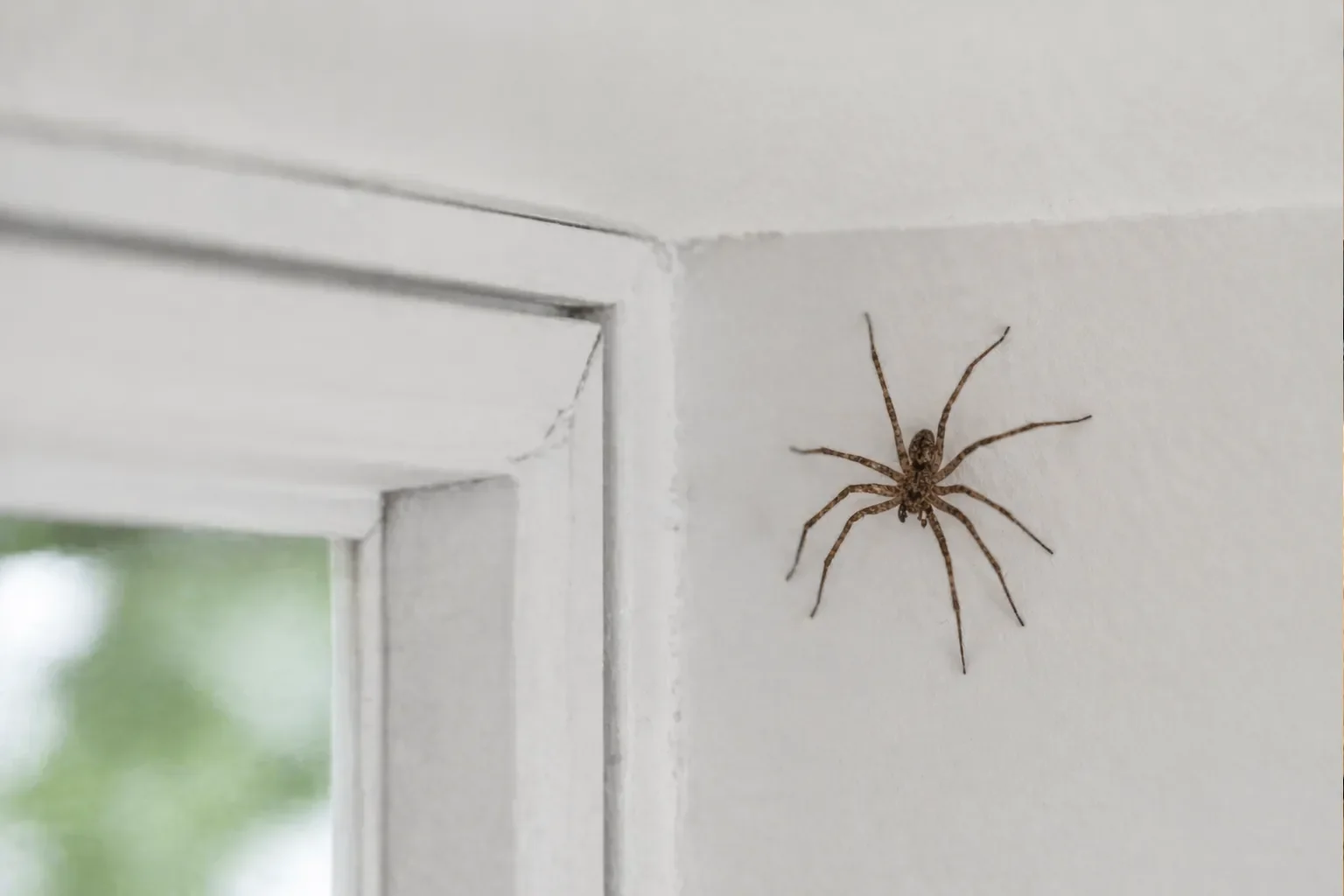
Spiders typically move indoors while following their food source. Increased spider activity often indicates other insects are present nearby.
While most spiders found in Florida homes are harmless, their presence can signal an underlying pest issue that may worsen as temperatures increase.
Properties with heavy vegetation, shaded landscaping, or outdoor lighting often attract more insects, which in turn attract spiders.
Orlando homes with wooded surroundings may see increased spider activity in spring due to rising insect populations.
Rodents
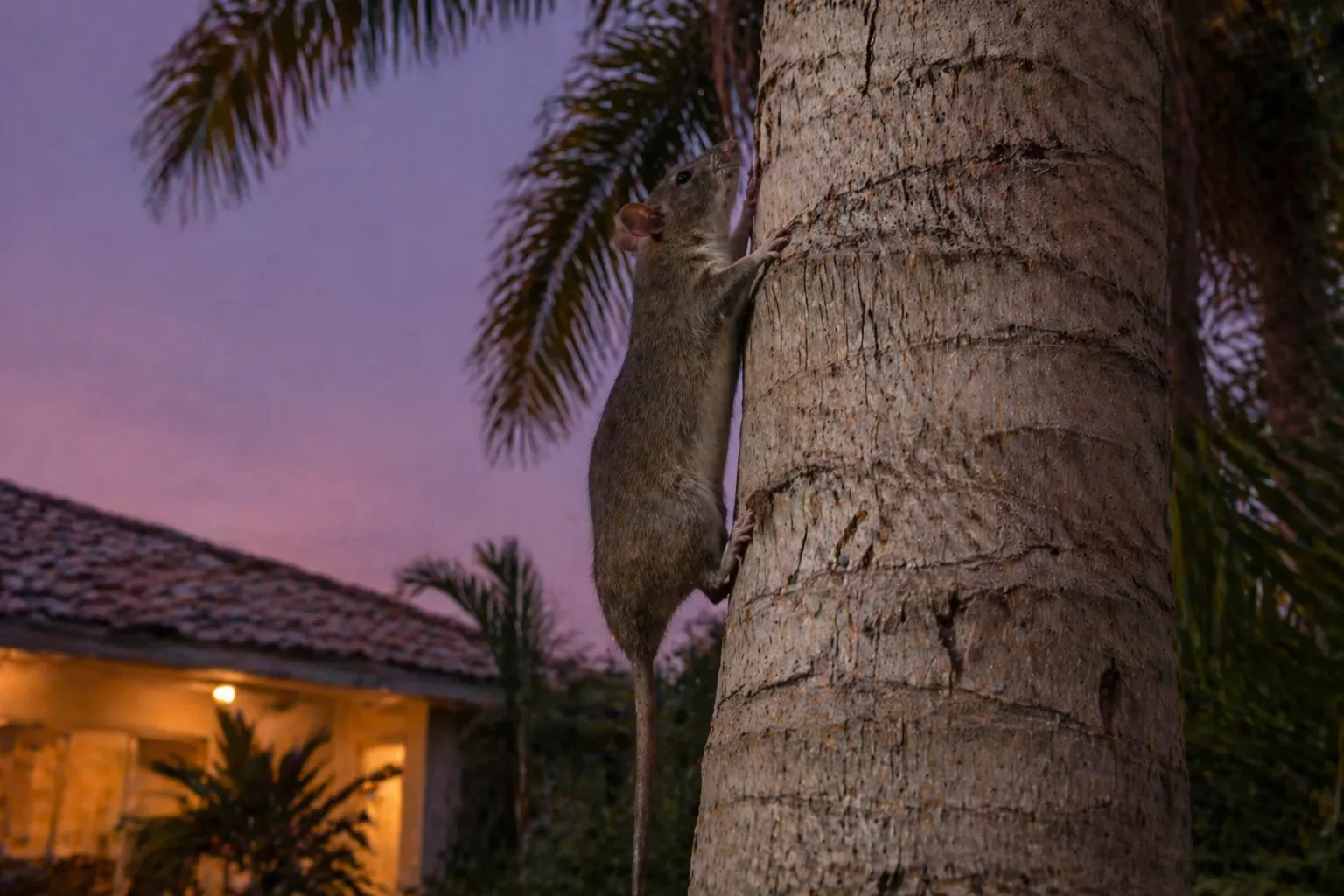
Rodents begin actively nesting during spring as food sources become more available. Roof rats and mice commonly enter homes through small openings in roofs, soffits, or garage areas.
Palm trees, dense shrubs, and attic voids provide ideal nesting areas for rodents in many Florida neighborhoods.
Signs of rodent activity include:
Scratching sounds in walls or ceilings
Droppings in attics or garages
Chewed wires or insulation
Noises during nighttime hours
Coastal communities such as Vero Beach often experience roof rat activity due to nearby vegetation and consistent temperatures.
Termites (Spring Swarm Season)
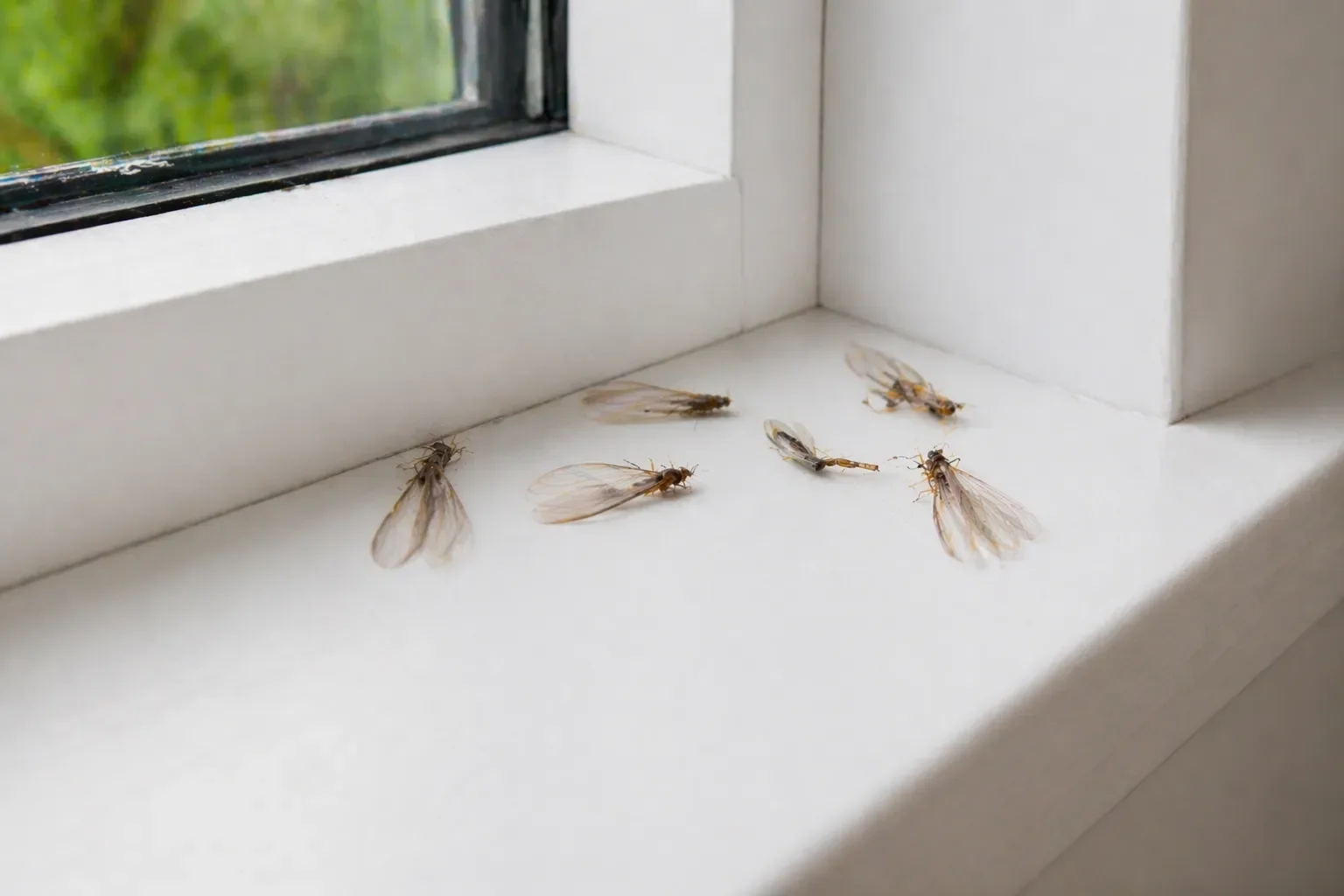
Spring marks the beginning of termite swarm season in many parts of Florida. Swarming termites are often mistaken for flying ants and are commonly seen near windows or light sources.
Swarmers typically indicate a nearby colony, which may already be established in soil near the home.
Termites are especially active in areas with consistent moisture levels, including coastal regions and neighborhoods with irrigation systems.
Signs of termite activity include:
Discarded wings near windows or doors
Mud tubes on exterior walls
Soft or hollow-sounding wood
Small piles of wings indoors
Because termite colonies often go unnoticed until damage begins, preventative monitoring can help reduce risk.
How to Prevent Spring Pest Intrusions
Preventative maintenance can significantly reduce the likelihood of pests moving indoors.
Helpful prevention steps include:
Sealing cracks around windows and doors
Keeping vegetation trimmed away from exterior walls
Eliminating standing water near the home
Storing food in sealed containers
Scheduling routine exterior pest treatments
Inspecting attics and crawl spaces seasonally
Barrier-focused exterior treatments help stop pests before they enter the home.
Protect Your Home This Spring
Seasonal pest activity is common throughout Florida, but infestations are often preventable with early treatment and ongoing monitoring.
Homes located in coastal areas like Naples, as well as inland cities like Orlando, benefit from customized pest control programs designed for Florida conditions.
Proactive pest protection helps reduce the likelihood of infestations during peak summer months when pest populations are highest.
If you are noticing increased pest activity this spring, early prevention can help maintain a comfortable and pest-free home throughout the year.