
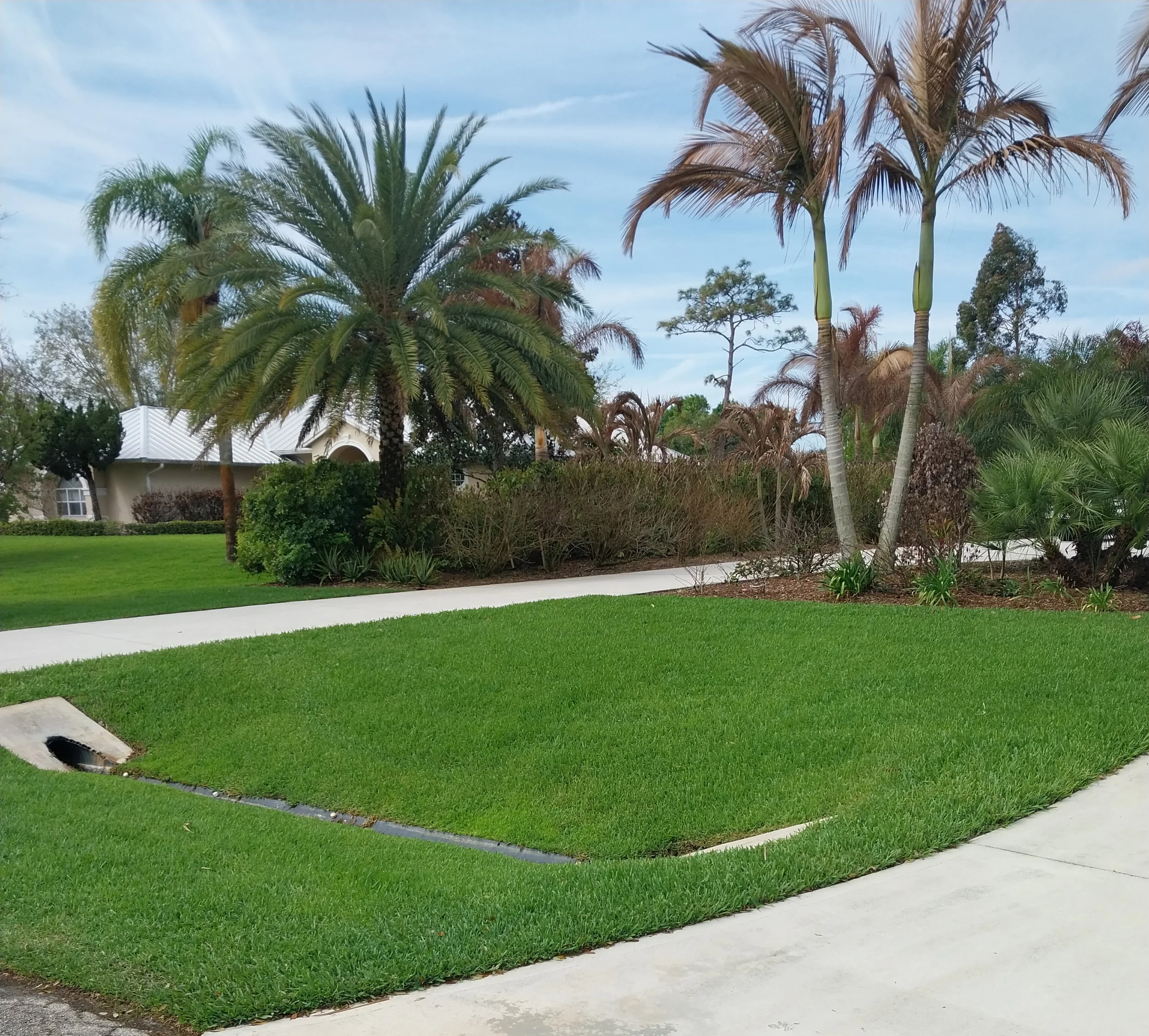
Spring is finally here, and while you're thinking about green grass, blooming flowers, and backyard barbecues, pests are thinking the exact same thing. Mosquitoes, ants, ticks, grubs, and a host of other unwanted visitors spend the colder months dormant, just waiting for warmer temperatures to emerge and take over your yard.
Here's the good news: a little proactive lawn care in the spring can make a dramatic difference in how many pest problems you deal with come summer. The condition of your lawn directly impacts how attractive your yard is to insects and rodents, and a well-maintained lawn is one of your best lines of defense.
Why Spring Is the Critical Window
Pests don't appear overnight. Their populations build gradually, and spring is when that process begins. Eggs laid in the fall start to hatch, overwintering insects become active, and rodents that sheltered in brush piles and leaf litter start expanding their territory.
If you wait until you see a problem to act, you're already behind. Spring lawn care lets you disrupt pest breeding cycles before they get established, making your summer much more enjoyable and far less itchy.
1. Dethatch and Aerate Your Lawn
Over time, a layer of dead grass, roots, and organic debris (called thatch) builds up between the soil and the living blades of grass. A thick thatch layer is a five-star hotel for pests like chinch bugs, sod webworms, and other lawn-damaging insects. It provides moisture, warmth, and shelter: everything they need to thrive.
What to do: Use a dethatching rake or a power dethatcher to remove this layer in early spring. Follow up with aeration, using a core aerator to pull small plugs of soil from the ground, to improve drainage and reduce the compaction that many soil-dwelling pests prefer.
A lawn that breathes well is a lawn that pests find far less hospitable.
2. Clean Up Yard Debris Promptly
Leaf piles, fallen branches, old mulch, and other debris left over from fall and winter are prime real estate for pests. Overwintering rodents, earwigs, millipedes, ground beetles, and even ticks love nothing more than a cozy pile of organic matter to hide in.
What to do: Do a thorough yard cleanup as early in the season as possible. Rake up dead leaves, remove old mulch from garden beds and replace it with fresh material, and haul away any fallen branches or wood debris. Keep woodpiles stacked neatly and away from the house, ideally elevated off the ground.
The cleaner your yard, the fewer hiding spots pests have to establish themselves.
3. Mow Regularly and at the Right Height
Tall grass is one of the most overlooked pest attractants. Ticks, fleas, mosquitoes, and a variety of insects use tall grass as a shaded resting spot during the heat of the day. Rodents also favor overgrown areas because the long grass provides cover from predators as they move around your yard.
What to do: Establish a regular mowing schedule as soon as your grass starts actively growing in spring. A good rule of thumb is to never cut more than one-third of the grass blade at a time. For most lawns, maintaining a height of 3 to 4 inches is ideal: short enough to discourage pests, tall enough to maintain a healthy root system.
Don't forget to trim along fences, walkways, and the foundation of your home, where grass and weeds tend to grow tall and create a pest superhighway right to your door.
4. Address Drainage and Standing Water Early
Mosquitoes only need about a half-inch of standing water to breed, and they can complete their life cycle in as little as 7 to 10 days. Spring rains can leave low spots, clogged gutters, and forgotten containers filled with water, turning your yard into a mosquito nursery before summer even arrives.
What to do: Walk your property after rain and identify any areas where water pools and lingers. Consider regrading low spots, extending downspouts, or adding French drains to redirect water. Clean gutters thoroughly in early spring so water flows freely. Empty and store any containers (flowerpots, buckets, bird baths, kids' toys) that collect water, or refresh standing water at least once a week.
Eliminating standing water is one of the single most effective things you can do to reduce mosquitoes on your property.
5. Inspect and Treat for Grubs
White grubs, the larvae of beetles like Japanese beetles, June bugs, and chafers, overwinter deep in your soil and migrate upward in spring to feed on grass roots. A grub infestation can silently destroy large sections of your lawn before you ever notice the damage. And damaged, patchy turf is an open invitation to more pests and weeds.
What to do: Look for telltale signs of grub activity in spring: spongy or soft patches of turf, areas of grass that peel back easily like a carpet, or increased activity from birds, skunks, or moles digging in your lawn (they're hunting the grubs below).
If you spot signs of grubs, a professional inspection can confirm the extent of the problem and the best treatment approach. Preventative grub treatments applied in spring can stop the next generation before it takes hold.
6. Seal Entry Points Around Your Home's Perimeter
Lawn care and pest prevention aren't limited to the grass itself. The foundation of your home, utility entry points, gaps around doors and windows, and the condition of door sweeps all play a role in whether outdoor pests stay outdoors.
What to do: Walk the exterior of your home in spring and look for cracks in the foundation, gaps around pipes and wires, damaged weatherstripping, and torn screens. Seal cracks with caulk, repair or replace damaged screens, and add door sweeps where needed. Trim back shrubs and tree branches that touch or overhang the roofline, as these act as bridges for pests to access your home.
Don't Wait: Get Ahead of the Problem
The most effective pest control is the kind you never have to think about because you've already taken steps to prevent it. Spring lawn care isn't just about curb appeal; it's a smart investment in a pest-free summer for your family and pets.
If you're unsure where to start, or if you've noticed signs of pest activity already, the team at Clements Pest Control is here to help. We offer thorough property inspections, customized treatment plans, and seasonal prevention services designed to keep your yard protected all year long.
Contact us today to schedule your spring pest assessment, before summer moves in uninvited.