
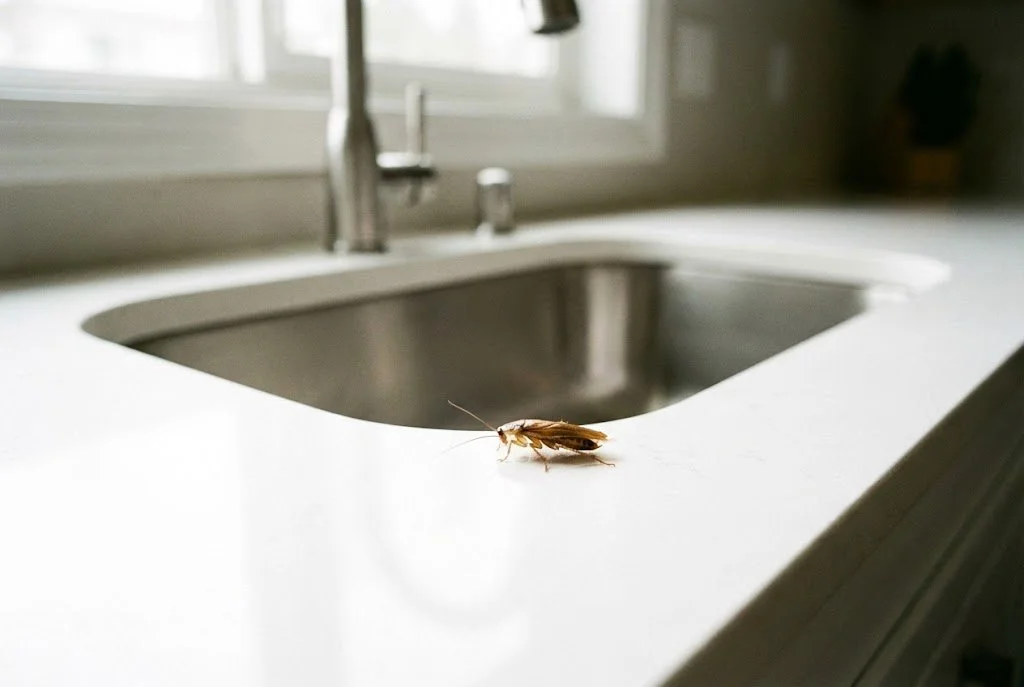
If you've ever spotted a small, fast-moving insect dart under your refrigerator or behind a kitchen cabinet, there's a good chance you've encountered one of Florida's most persistent household pests: the German cockroach. Despite the name, this species is anything but a foreign problem, it thrives in warm, humid climates, making Florida, and especially the Treasure Coast area, prime territory for infestations. Understanding what you're dealing with is the first step toward protecting your home.
What Does a German Cockroach Look Like?
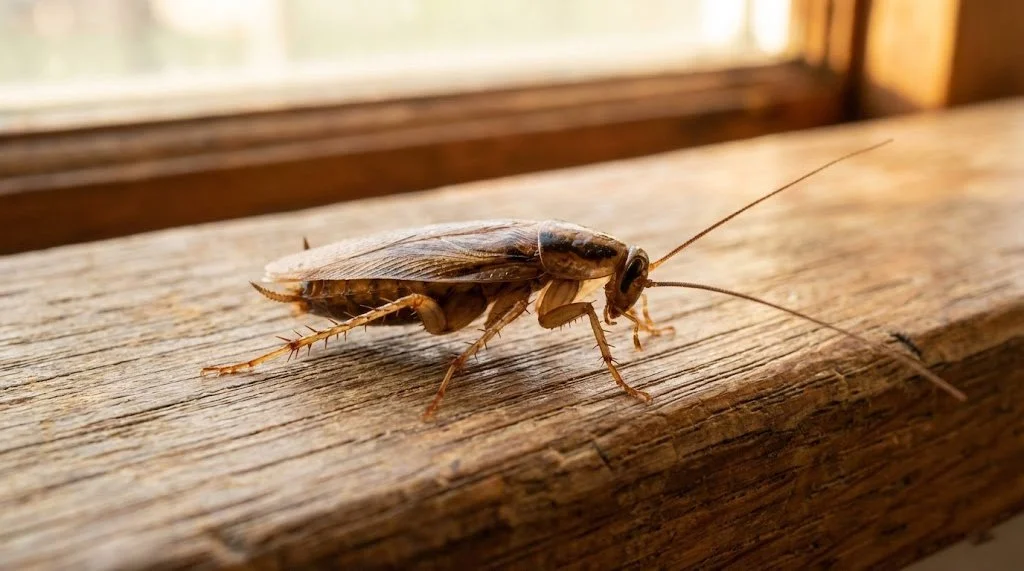
German cockroaches (Blattella germanica) are relatively small compared to other roach species, typically between half an inch and five-eighths of an inch long. They are light brown to tan in color and have two dark, parallel stripes running from just behind their head down to the base of their wings. While they do have wings, German cockroaches rarely fly. Instead, they rely on their speed on foot to scurry away from light and predators. Nymphs (juveniles) are darker and wingless but share the same distinctive stripes.
Why German Cockroaches Love Florida Homes

Florida's year-round warmth and high humidity create ideal living conditions for German cockroaches. Unlike many pests that slow down in cooler months, these insects remain active all year. They are drawn indoors primarily by three things:
Warmth and moisture: Kitchens, bathrooms, and laundry rooms are hotspots because of the heat and humidity they generate.
Food sources: Even tiny crumbs, grease residue, and unsealed food containers are enough to sustain a large colony.
Shelter: They hide in tight cracks and crevices — behind appliances, inside wall voids, and beneath sinks — making them very difficult to detect until populations are large.
The Reproduction Problem: Why They're So Hard to Get Rid Of
One of the biggest challenges with German cockroaches is how rapidly they reproduce. A single female can produce an egg capsule (called an ootheca) containing 30 to 40 eggs every few weeks. She carries the capsule with her until shortly before the eggs hatch, which helps protect them from pesticide treatments. A single female and her offspring can potentially give rise to thousands of new cockroaches within a year under ideal conditions. This explosive reproductive rate is a major reason why over-the-counter sprays and traps alone often fail to solve the problem.
For a deeper look at why these insects are such a formidable challenge in our region, this detailed resource from Clements Pest Control explains why German cockroaches are one of the hardest pests to eliminate in Florida, including insights into their resistance to common pesticides and their ability to adapt quickly to new threats.
Health Risks Associated with German Cockroaches
Beyond being unpleasant to discover in your home, German cockroaches pose genuine health risks. They are known carriers of bacteria such as Salmonella and E. coli, which they can spread by crawling across food preparation surfaces. Their shed skins, droppings, and saliva are potent allergens that can trigger asthma attacks — a particularly serious concern for children. Research has shown that cockroach allergen exposure is one of the leading environmental triggers of childhood asthma in the United States. In multi-unit housing like apartments and condominiums, which are common throughout the Vero Beach area, a cockroach problem in one unit can quickly spread to neighboring ones.
Signs of a German Cockroach Infestation
German cockroaches are nocturnal, so many homeowners don't see live insects until an infestation is well established. Watch for these warning signs:
Droppings: Small, dark specks resembling ground pepper or coffee grounds, often found near food sources, in drawer corners, or along baseboards.
Egg cases: Small, brownish, capsule-shaped cases (oothecae) dropped near harborage areas.
Musty odor: Large infestations produce a noticeable oily, musty smell.
Daytime sightings: Seeing cockroaches during daylight hours often indicates the infestation has grown large enough that the insects are being pushed out of their harborage areas.
Prevention Tips for Florida Homeowners

Prevention is always easier than treatment. Here are practical steps you can take to make your home less inviting to German cockroaches:
Clean kitchen surfaces, stovetops, and counters thoroughly after every meal. Even small amounts of grease are enough to attract and sustain a colony.
Store food in airtight containers and never leave pet food out overnight.
Fix leaky pipes and faucets promptly — moisture is one of the primary attractants.
Seal gaps around plumbing penetrations, electrical outlets, and baseboards with caulk.
Regularly vacuum behind and underneath large appliances like refrigerators and stoves.
When to Call a Professional Pest Control Service
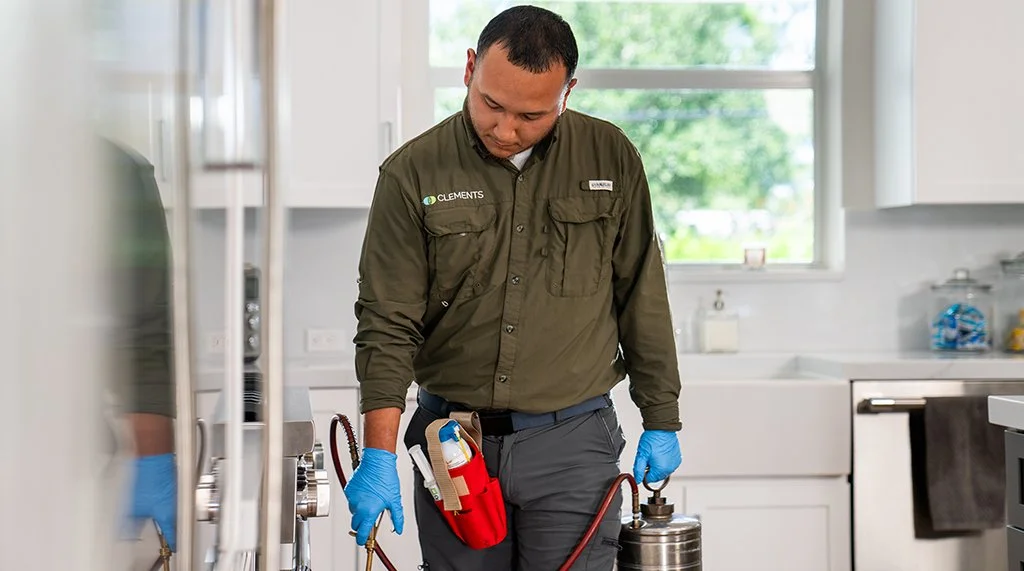
If you're dealing with a German cockroach infestation, it's important to be realistic about DIY limitations. Over-the-counter sprays can kill the roaches you see, but they rarely reach the hidden colonies nesting deep inside wall voids and appliances. Worse, improper product use can scatter a colony, spreading the problem to new areas of your home.
Professional pest control in Vero Beach involves a far more comprehensive approach: thorough inspection to identify all harborage sites, targeted gel bait applications (which German cockroaches actively carry back to the nest), insect growth regulators to disrupt reproduction, and follow-up visits to ensure the treatment was effective. Licensed pest control technicians also understand how to treat multi-unit dwellings in a way that prevents re-infestation from neighboring units.
Given Florida's climate and the resilience of German cockroaches, a proactive approach, including periodic professional inspections even when you don't see any signs of pests, is the most reliable strategy for keeping your home cockroach-free year-round.
Final Thoughts
German cockroaches are a serious pest that deserve serious attention. They reproduce fast, hide well, resist many common treatments, and pose real health risks to your family. For homeowners on Florida's Treasure Coast, awareness is your best first line of defense, but when awareness isn't enough, don't hesitate to call in the professionals. Early intervention almost always leads to faster, more complete results than waiting until the problem becomes severe.
Ready to Get Rid of German Cockroaches for Good? Contact Clements Pest Control
Don't let a German cockroach infestation get out of hand. At Clements Pest Control, we've been protecting homes and businesses from Florida's toughest pests. Our licensed technicians use proven, targeted treatment strategies to eliminate German cockroaches at the source, not just the ones you can see.
Whether you're seeing the first signs of an infestation or dealing with a full-blown problem, we're here to help. Contact us today to schedule an inspection and take the first step toward a cockroach-free home.
📞 Call us or visit www.clementspestcontrol.com to request a free inspection.