
Why Subterranean Termites Are a Major Threat
Subterranean termites are among the most destructive pests in the United States. They feed around the clock, hidden inside wood, often causing thousands of dollars in damage before homeowners even notice. In Florida, their activity is relentless due to the year-round warmth and humidity.
What Are Subterranean Termites?
Subterranean termites live underground in large colonies and depend on soil moisture to survive. They create mud tubes to travel between their nest and food sources—typically the wooden structures of homes. Their presence is usually invisible until serious damage has occurred.
Why Are Subterranean Termites a Problem in Florida?
Florida’s subtropical climate provides the perfect environment for subterranean termites. High humidity, warm temperatures, and frequent rainfall allow these pests to thrive year-round. Because there's no deep winter to slow them down, Florida homes are at constant risk.
Signs of a Subterranean Termite Infestation
Subterranean termites are stealthy invaders, often causing significant damage before you're even aware of their presence. Catching the early signs can save you thousands in repairs and prevent major structural issues. Here's what to look for:
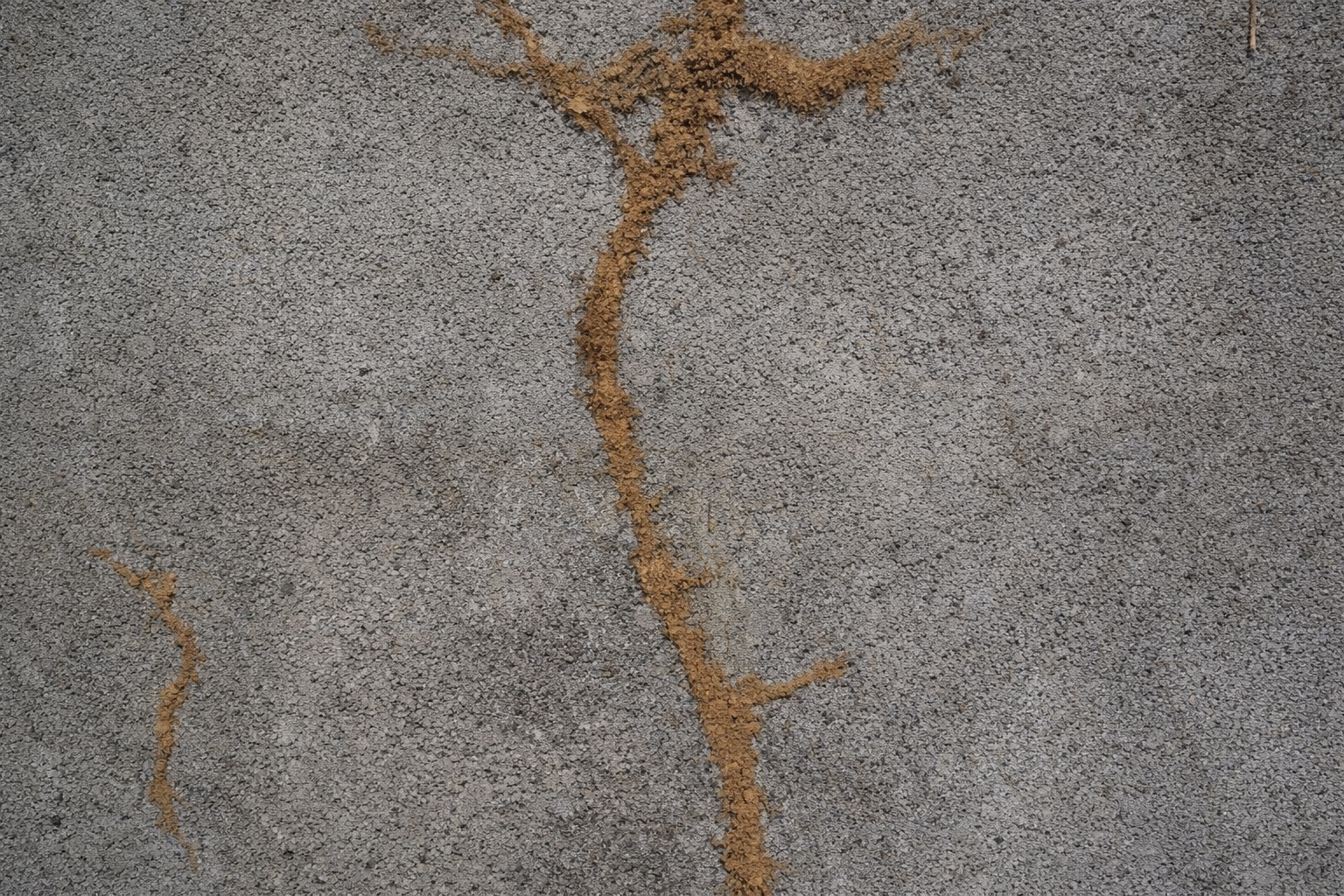
Mud Tubes on Foundations or Walls
These pencil-width tunnels are one of the most telltale signs of subterranean termites. Built from soil, saliva, and feces, mud tubes allow termites to travel between their underground colonies and your home while staying protected from dry air and predators.
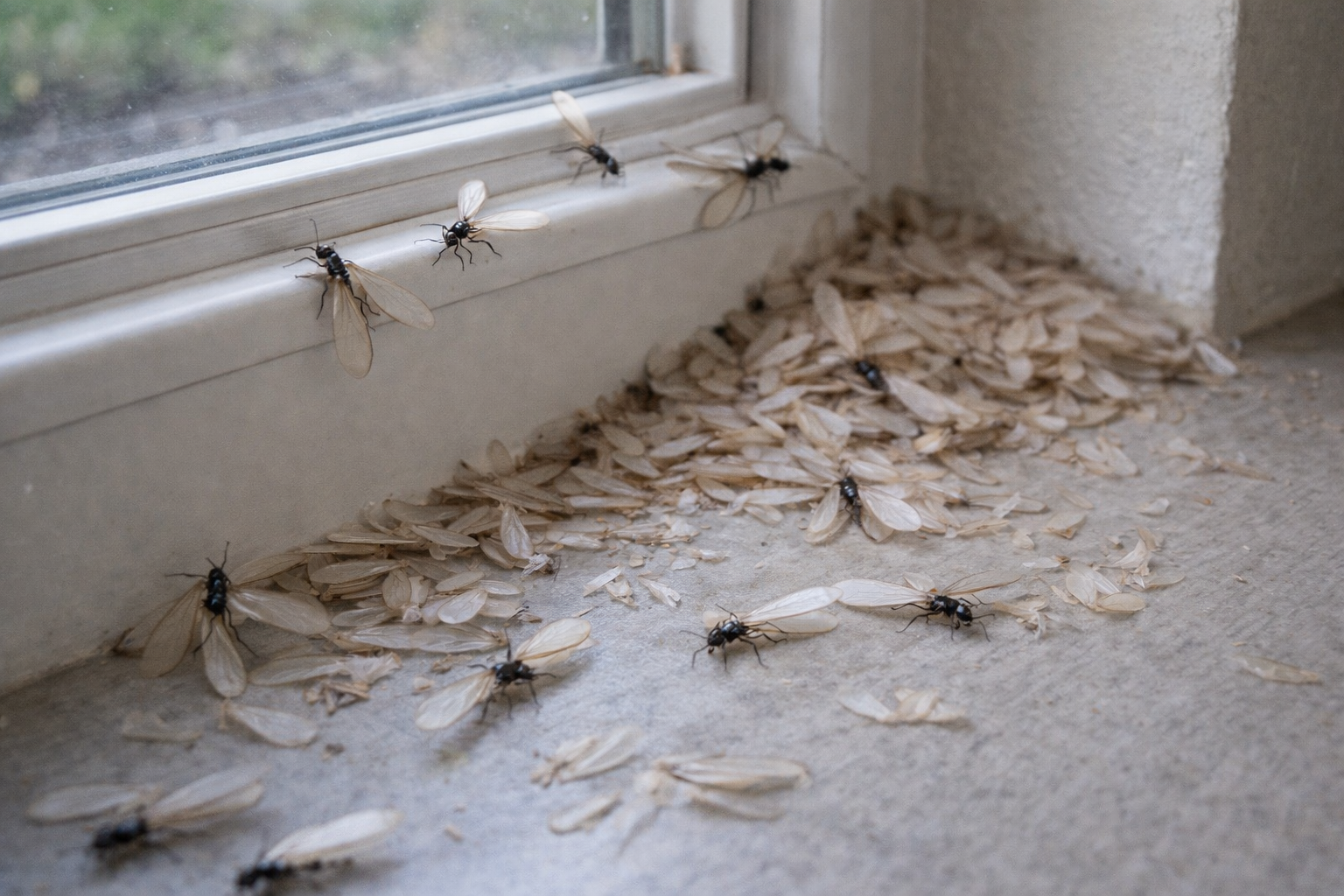
Swarmers (Winged Termites) or Discarded Wings
In spring and early summer, reproductive termites—called swarmers—emerge in search of new places to start colonies. You might see them flying near windows or lights. Once they land, they shed their wings, often leaving small piles near windowsills or door frames.
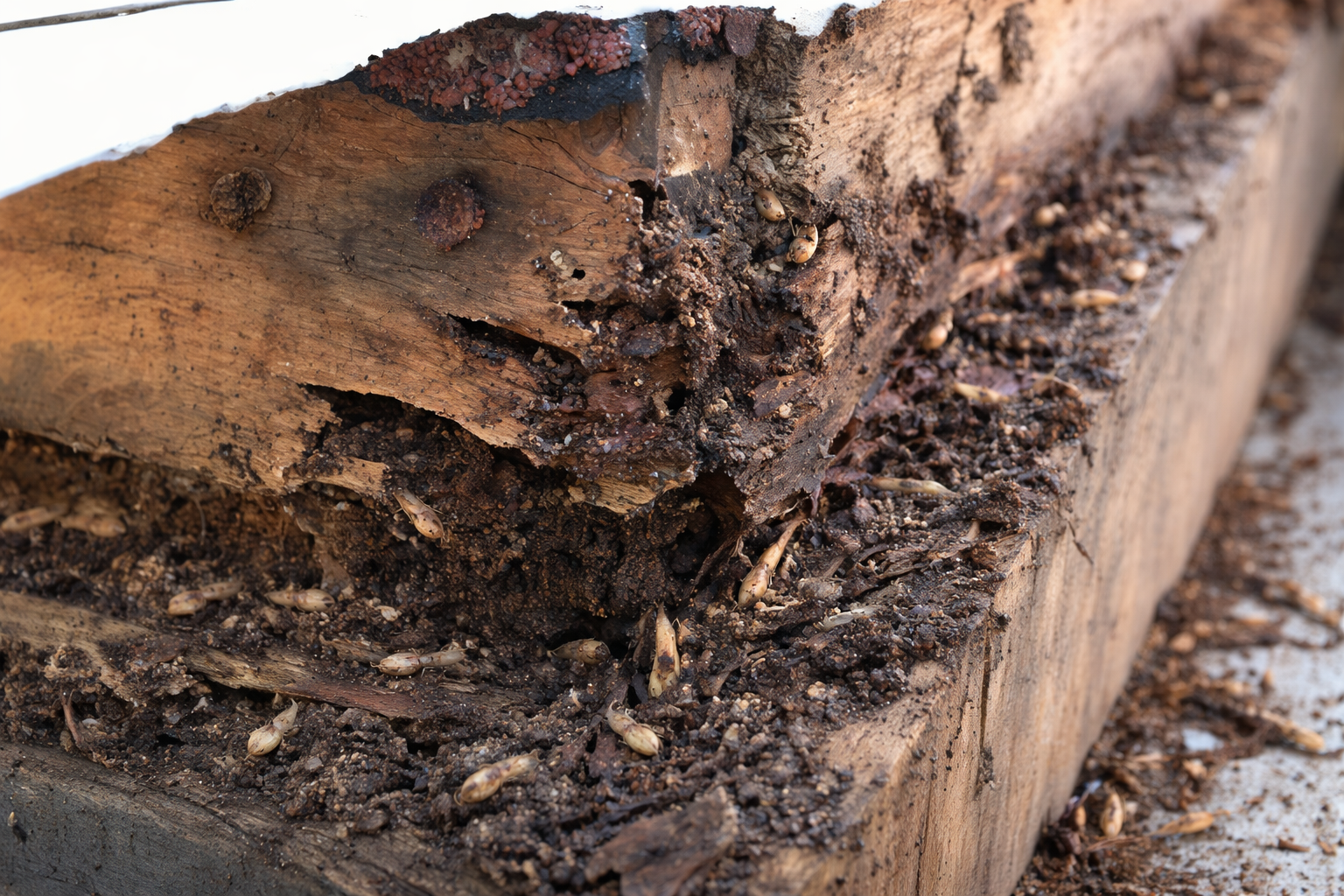
Hollow-Sounding or Soft Wood
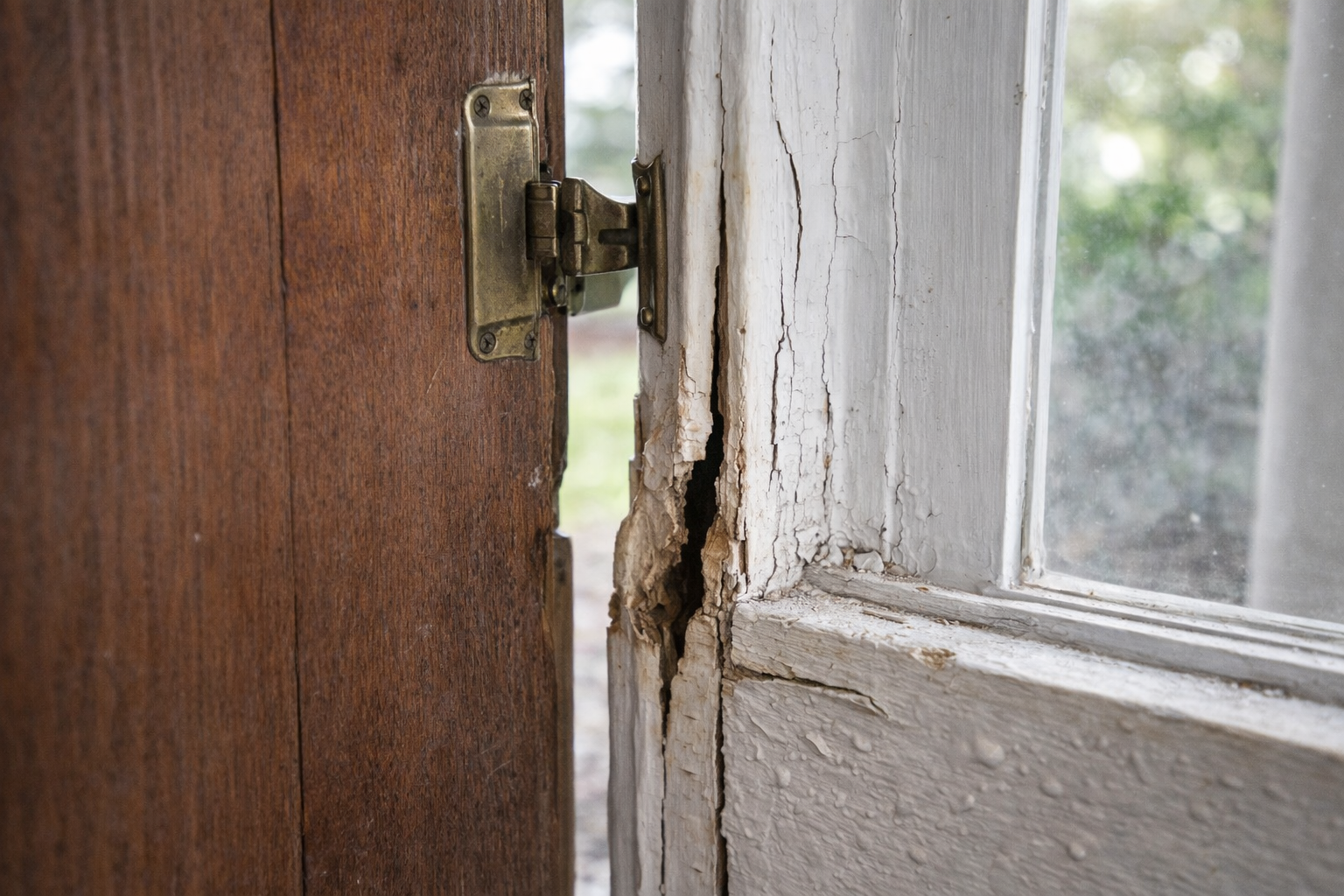
Tap on wooden surfaces like beams, baseboards, or floors. If it sounds hollow or feels soft when pressed, termites may have been tunneling inside. The outer layer often remains intact, hiding the damage beneath the surface.
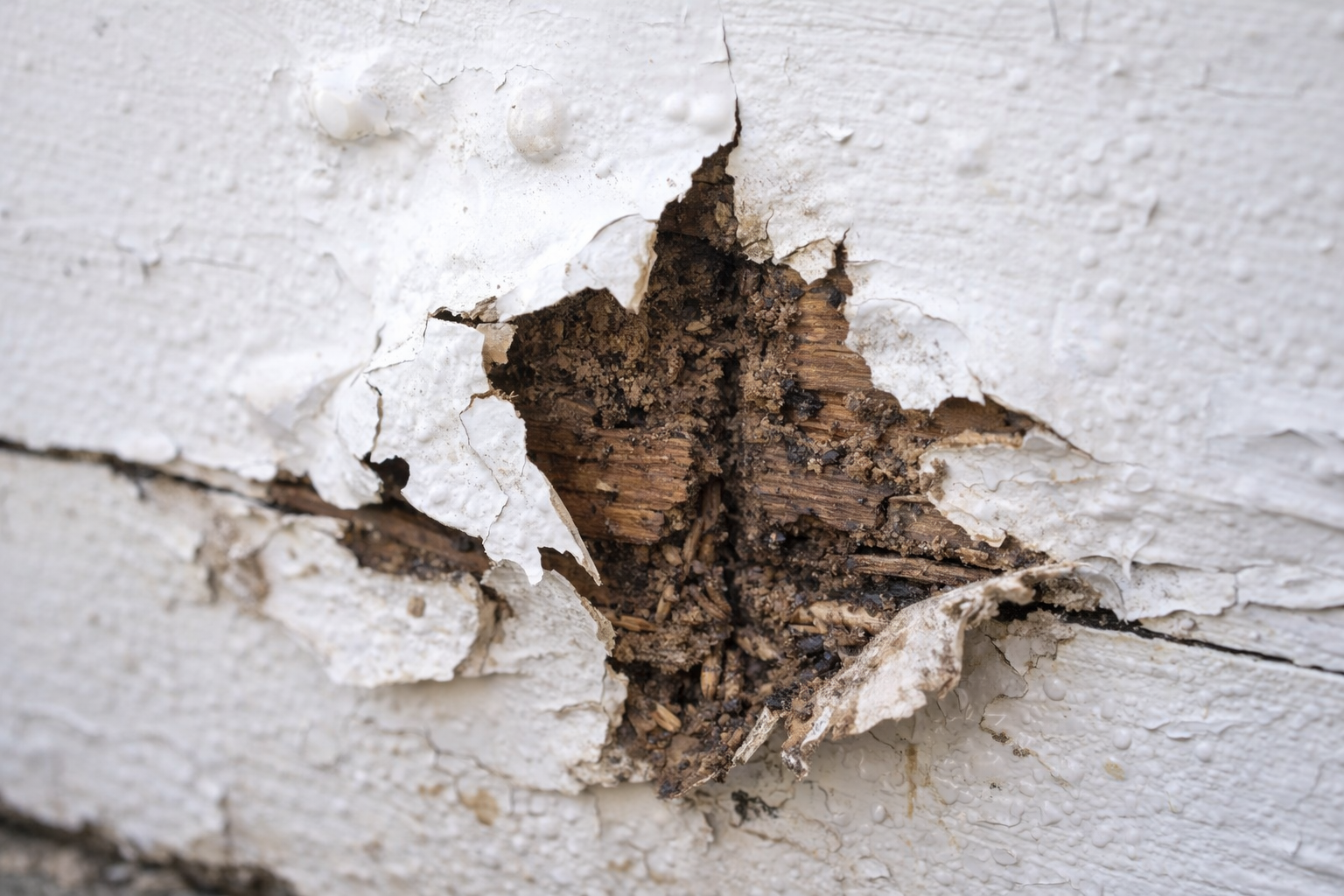
Bubbling or Peeling Paint
Termite activity can introduce excess moisture into wood, causing paint to bubble, peel, or blister. This is often mistaken for water damage but could be a sign of hidden termite tunnels.
Tight-Fitting Doors or Warped Window Frames
As termites eat away at wood, the structural integrity shifts, leading to warping. You may notice that doors or windows stick, don’t close properly, or suddenly feel misaligned.
Subterranean Termite Treatment Options
Termite infestations require professional treatment. Effective solutions include:
Liquid Termiticides – Applied around the perimeter to create a chemical barrier
Bait Stations – Disrupt colony growth by attracting termites to poison bait
Wood or Foam Treatments – Direct applications to infested areas
Fumigation – Rare for subterranean termites, but used in severe, inaccessible infestations
Subterranean Termite Prevention Tips
Reduce your risk with these preventative measures:
Fix leaks and remove standing water around the home
Maintain proper drainage and ventilation
Store firewood and mulch away from the foundation
Seal cracks and gaps in your foundation and walls
Schedule regular professional termite inspections
Why Trust Our Expertise
At Clements Pest Control, we specialize in effective subterranean termite control using trusted, science-backed solutions to protect your home.
Book your free inspection today and let our local experts help defend your biggest investment against costly termite damage.