
Florida summers bring sunshine, afternoon storms, and a less welcome guest: termites. As temperatures and humidity climb, termite colonies become more active and swarmers take flight in search of new places to nest. For homeowners across the state, that makes summer the ideal time to take a hard look at termite prevention before small problems turn into thousands of dollars in damage.
The tricky part is that termites rarely announce themselves. They often work quietly inside walls and beneath floors for months or even years before any visible signs appear. By understanding what draws them to a home in the first place, you can spot risks early and protect one of your biggest investments.
Below are six common conditions that make Florida homes more desirable to termites, along with what you can do about each one.
Why Summer Is Peak Termite Season in Florida
Termites thrive in warmth and moisture, and Florida offers plenty of both from late spring through summer. This is also swarm season, when reproductive termites leave established colonies to start new ones. If you notice winged insects around windows, doors, or exterior lights, or piles of discarded wings on windowsills, a colony may already be nearby. Our guide on what termite swarmers really mean explains why these insects should never be ignored.
Subterranean termites, including the aggressive Formosan species found in many parts of Florida, are especially active during these months. A single mature colony can contain hundreds of thousands of workers feeding on wood around the clock. As pest activity ramps up across the state in the warmer months, proactive termite protection matters more here than in cooler regions.
6 Conditions That Attract Termites to Your Home
1. Excess Moisture Around the Foundation
Termites need moisture to survive, and damp soil near your foundation is an open invitation. Leaky outdoor faucets, poor drainage, clogged gutters, and downspouts that empty too close to the house all create the wet conditions termites love.
What to do: Keep gutters clean, direct downspouts away from the foundation, and fix outdoor leaks promptly. Make sure the soil around your home slopes away from the structure so water drains off rather than pooling.
2. Wood-to-Soil Contact
When wood touches the ground, termites get a direct path from the soil into your home. Deck posts, fence pieces, wooden stairs, and siding that reaches down to the dirt can all serve as bridges.
What to do: Maintain a gap between soil and any wooden parts of your home. Use concrete supports or metal stands for posts where possible, and keep at least a few inches of clearance between mulch beds and wood siding.
3. Mulch and Landscaping Too Close to the House
Mulch holds moisture and often sits directly against the foundation, creating a comfortable, damp environment right where termites can find their way inside. Dense shrubs and plants pressed against the walls add to the problem by trapping humidity, and an unhealthy yard can invite trouble in other ways too, since lawn pests often become indoor pest problems.
What to do: Keep mulch a few inches away from the foundation and avoid piling it too thickly. Trim back shrubs so air can circulate along the exterior walls. A well-maintained yard helps on multiple fronts, and our lawn care team can keep your turf and landscaping healthy.
4. Firewood and Lumber Stored Near the Home
Stacks of firewood, scrap lumber, and untreated wood piles are a ready food source and a staging area for termites. When stored against the house or in the garage, they give termites an easy stepping stone indoors.
What to do: Store firewood and lumber away from the house and keep it elevated off the ground. Inspect any wood you bring inside, and never store it directly against exterior walls.
5. Cracks and Gaps in the Exterior
Termites can squeeze through openings as thin as a credit card. Cracks in the foundation, gaps around utility lines, and spaces where pipes enter the home all offer hidden entry points that are easy to overlook.
What to do: Seal cracks and gaps with appropriate caulk or sealant, paying close attention to areas where plumbing and wiring pass through walls and slabs. Routine exterior checks help you catch new openings before pests do.
6. Clogged Gutters and Roof Moisture
It is not just the ground level that attracts termites. Clogged gutters, damaged flashing, and roof leaks can lead to damp, rotting wood in eaves, soffits, and attic spaces, which is exactly the kind of softened wood termites target.
What to do: Clean gutters regularly, repair roof leaks quickly, and replace any water-damaged wood. Keeping your roofline dry removes one more reason for termites to settle in.
Warning Signs of a Termite Problem
Even with good prevention habits, it pays to know the early signs of termite activity. Watch for mud tubes running along your foundation or walls, wood that sounds hollow when tapped, paint that bubbles or cracks unexpectedly, doors and windows that suddenly stick, and small piles of what looks like sawdust or discarded wings. Those tiny pellets in particular can be a red flag, and our article on identifying drywood termite droppings, or frass, explains what to look for. If you spot any of these signs, it is worth scheduling a professional inspection right away.
How the Sentricon System Protects Florida Homes
Spotting and reducing risk conditions is a smart first step, but termites are persistent, and do-it-yourself measures rarely stop an established colony. That is where professional protection comes in.
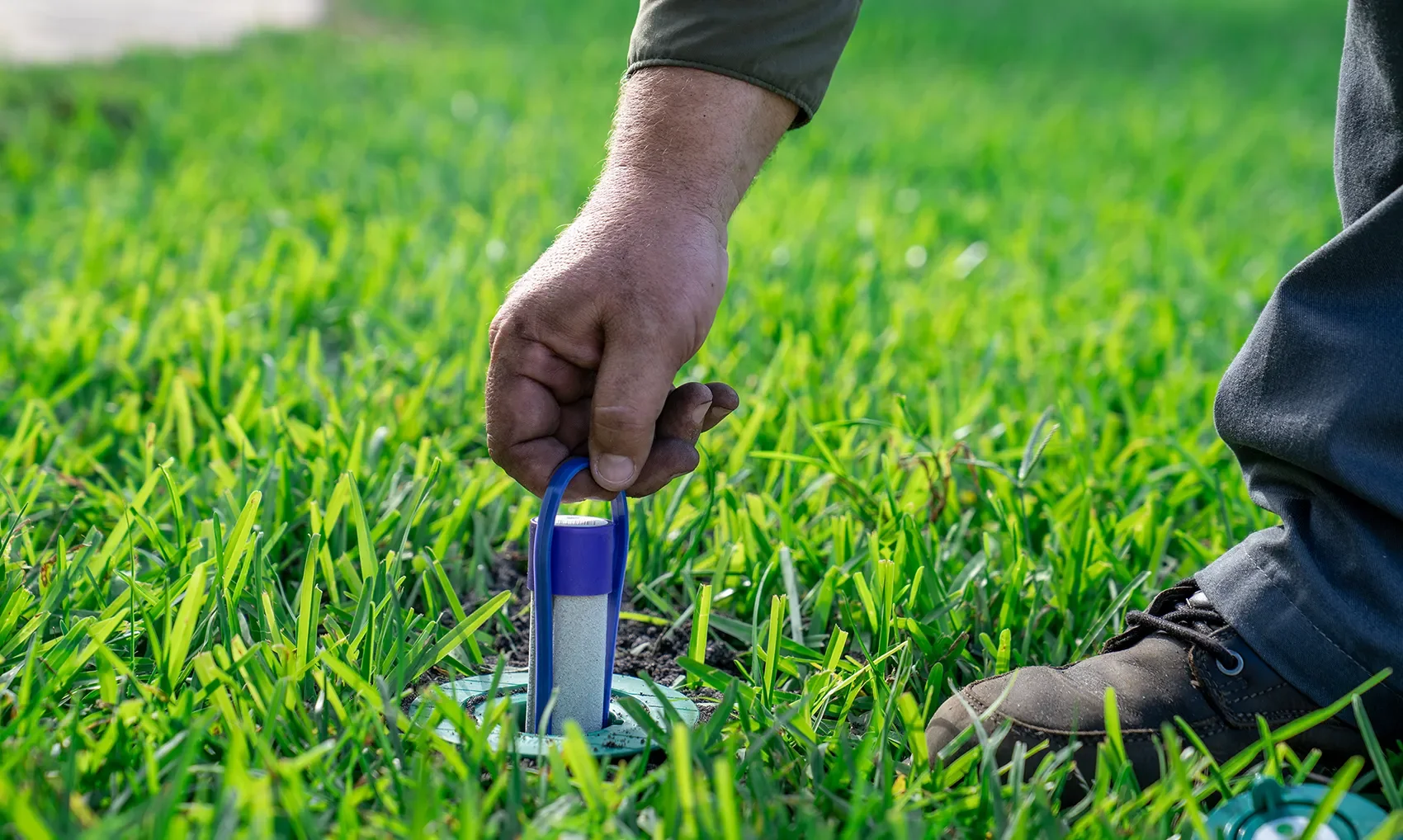
At Clements, our termite protection services use the Sentricon Always Active system to eliminate entire colonies, including the queen. This matters because one queen can produce more than a million offspring over her lifetime. Remove her, and the colony collapses before it can cause major damage. Here is how it works in simple terms.
Discreet bait stations are installed in the ground around the perimeter of your home, with no trenching that would disturb your landscaping. Worker termites find the bait far more appealing than wood and carry it back to share with the rest of the colony, including the queen. The active ingredient prevents termites from molting, which they must do to survive, so every termite that feeds on the bait is eliminated. Thanks to Always Active technology, the system keeps working year after year, attracting and eliminating new colonies that try to invade. For homes with active drywood termites, we also offer targeted no-tent treatment options as an alternative to fumigation.
The bait stations are designed to sit safely in your yard around children, pets, and gardens, which is one reason so many Florida homeowners choose this approach for lasting peace of mind.
Frequently Asked Questions
When is termite season in Florida?
Termites are active in Florida nearly year-round thanks to the warm, humid climate, but activity and swarming peak from spring through summer. This makes the warmer months the most important time to check for risks and confirm your home is protected.
How do I know if I have termites?
Common signs include mud tubes on foundations or walls, hollow-sounding wood, bubbling or cracking paint, sticking doors and windows, and small piles of wings or what looks like sawdust. Because termites often hide inside walls, a professional inspection is the most reliable way to know for sure.
Are termite bait stations safe around kids and pets?
Yes. The stations sit in the ground with only a service cover visible and require a special tool to open. The active ingredient targets a process specific to insects, not people or pets, and the amounts involved are very small.
Can I treat termites myself?
Store-bought sprays and spot treatments may kill the termites you can see, but they rarely reach the colony or the queen, so the problem usually returns. A professional baiting system is designed to eliminate the entire colony and provide lasting protection.
How much does termite damage cost to repair?
Repair costs vary widely depending on how long the infestation has gone unnoticed, but termite damage can easily run into the thousands of dollars. Proactive protection is almost always far less expensive than major structural repairs.
How Clements Pest Control Can Help
Florida's climate keeps termites and other pests active most of the year, so a little prevention goes a long way. Clements Pest Control helps homeowners across the state stay ahead of these threats with termite protection, pest control, rodent control, and lawn care services tailored to local conditions. With branches in Vero Beach, Stuart, Orlando, and Naples, we serve communities across the state, and you can find your nearest location here.
If you have noticed warning signs, or you simply want peace of mind before peak season hits its stride, our team is happy to take a look. Contact Clements Pest Control to schedule a termite inspection and learn how the Sentricon system can protect your home for years to come.